
Culion Museum declared national treasure
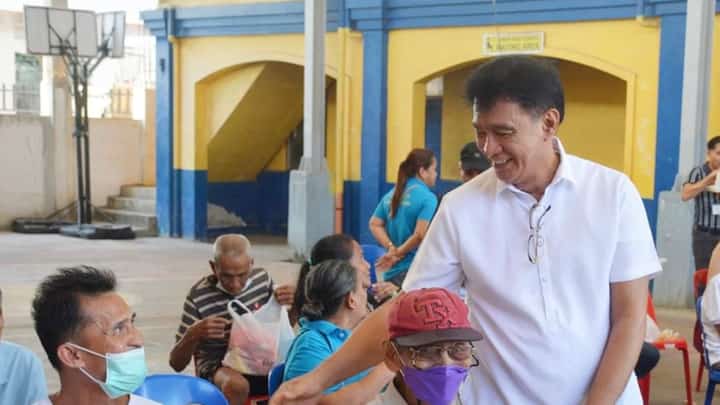
Dr. Arturo Cunanan Jr., Culion Sanitarium and General Hospital chief, greets senior citizens who are waiting at the hospital vicinity.
PhotoGRAPH courtesy of Culion Sanitarium and General Hospital
PUERTO PRINCESA CITY, Palawan — The Culion Museum and Archives, located in the tranquil island town of Culion in Palawan’s Calamianes Islands, has been designated a National Cultural Treasure of the Philippines.
Far from being just a collection of artifacts within the Culion Sanitarium and General Hospital (CSGH), this site preserves the stories of people who lived through the challenges of leprosy and built a community of resilience and hope.
Dr. Arturo Cunanan Jr., medical center chief of the CSGH and museum director, explained the historical center’s significance.
“It’s not just about artifacts,” he said. “These are collections of lives, of people who lived with dignity despite incredible hardship.”
The museum contains documents, photos, and correspondence dating back to 1906, providing a glimpse into the daily lives of leprosy patients who were once isolated from society.
Culion became their refuge, where, despite the stigma and segregation, a community formed — people from various parts of the Philippines and the world coming together in survival and solidarity.
On his own, he discovered approximately 30 collection series that relate the stories of leprosy patients who were brought to Culion in asylum.