
Fish from some Cavite waters now safe to eat — BFAR
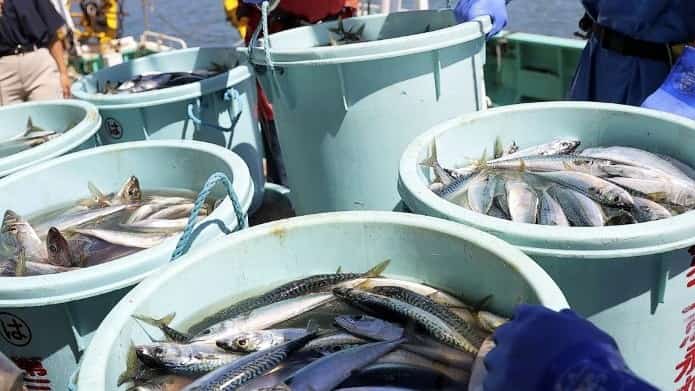
Fish harvested from four coastal areas in Cavite province are now safe for human consumption after being affected by the Bataan oil spill, according to the Bureau of Fisheries and Aquatic Resources (BFAR).
This, after fish and other fishery types collected within 7 to 21 August from Naic, Ternate, Kawit, and Maragondon passed the sensory evaluation for three consecutive batches.
Meanwhile, fish from Bacoor City, Cavite City, Noveleta, Rosario, and Tanza passed only two consecutive batches of sensory evaluation. Thus, the fish collected from these are still not safe to eat.
“Fish in an area can be declared safe for human consumption if samples analyzed have already passed three consecutive batches of sensory evaluation,” BFAR noted.
Fish and other seafood products in the provinces of Bataan, Bulacan, Pampanga, Batangas, and Metro Manila were earlier declared safe for human consumption. The latest analyses, including the polycyclic aromatic hydrocarbons testing, showed that fish from these waters remain edible.
BFAR said the conduct of on-ground monitoring is still ongoing, as well as the assessment of potentially affected fishing areas and communities surrounding Manila Bay, three weeks after the oil spill incident in Limay town.