
Philippines seeks Japan, U.S. funding for Subic-Clark railway
$850 million plan faces delays after China pulls out; Tokyo and Washington approached for support

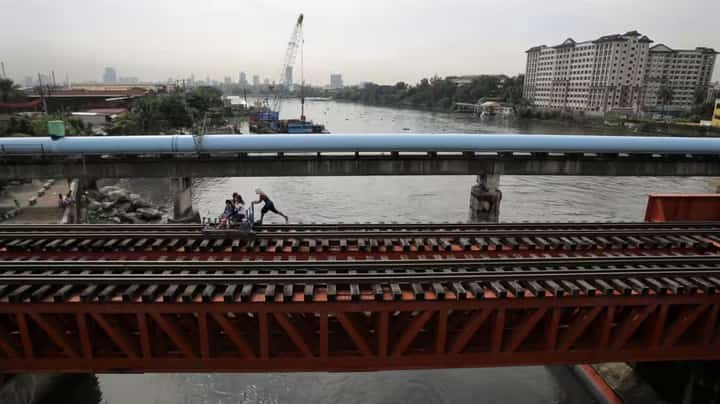
TOKYO — The Philippines is now turning to Japan and the United States for financial backing for its ambitious Subic-Clark railway project, valued at 50 billion pesos ($850 million), following China's unexpected withdrawal of support. According to Yuichi Shiga of Nikkei Asia, Delfin Lorenzana, head of the Bases Conversion and Development Authority (BCDA), has expressed hope that Japanese financial institutions, such as the Japan International Cooperation Agency (JICA) and the Japan Overseas Infrastructure Investment Corporation for Transport & Urban Development (JOIN), will step in to fund the project.
The railway project, designed to enhance connectivity between the former U.S. military bases of Subic and Clark, has been a cornerstone of the Philippines’ Luzon Economic Corridor, which aims to integrate transport infrastructure across key regions. However, China's exit from the project in July 2022, during the transition from President Rodrigo Duterte to Ferdinand Marcos Jr., has left a significant gap in funding. With China previously slated to finance this and other railway projects, the Philippine government is now actively seeking alternative sources of investment.
In addition to the Japanese and American funding efforts, BCDA is also exploring potential investments from other international entities. Lorenzana has highlighted the strategic importance of Clark, emphasizing its role in the broader economic corridor and future infrastructure developments, including plans for a second runway at Clark airport. Despite concerns over potential shifts in U.S. policy with upcoming elections, the BCDA remains focused on advancing the Luzon Economic Corridor, attracting interest from European countries and other global investors.
The Subic-Clark railway is part of a broader initiative to boost regional connectivity, linking ports, airports, and industrial parks across Luzon. This project is expected to play a crucial role in the economic growth of the region, reinforcing the Philippines' strategic infrastructure investments.