
Works of F.B. Concepcion on exhibit at Avellana Art Gallery


Selected works highlighting the masterful skill of Florencio B. Concepcion (1933-2006), or more widely known as FB Concepcion, will be in a show entitled “Mixed Media: Florencio B. Concepcion” at Avellana Art Gallery from 27 July to 27 August, which will highlight the artist’s abstract works ranging from the late 50s to his final years.
Curated by Miguel Rosales, creative director at Caramel, the works in the show represent the different media the artist used to express his art, not just in the luminous oils on canvas he is known for, but also in more experimental types such as ceramic, printmaking and other works on paper, and the very layered works done during his highly sought after Roman period.
“Viewers will see how he shifted from figurative abstraction to the purely abstract via a sampling of select works that come mainly from the artist’s estate, many of which will be on view for the first time, with some works on loan from private collections,” says Rosales. “This is a rare opportunity to acquire works with direct provenance from the artist and to see them all together at the gallery that showed his works through the years.”
, oil on canvas.jpg?w=1200&auto=format&q=70)
Red Sunset on the Island, LXXXVI (1986), oil on canvas.
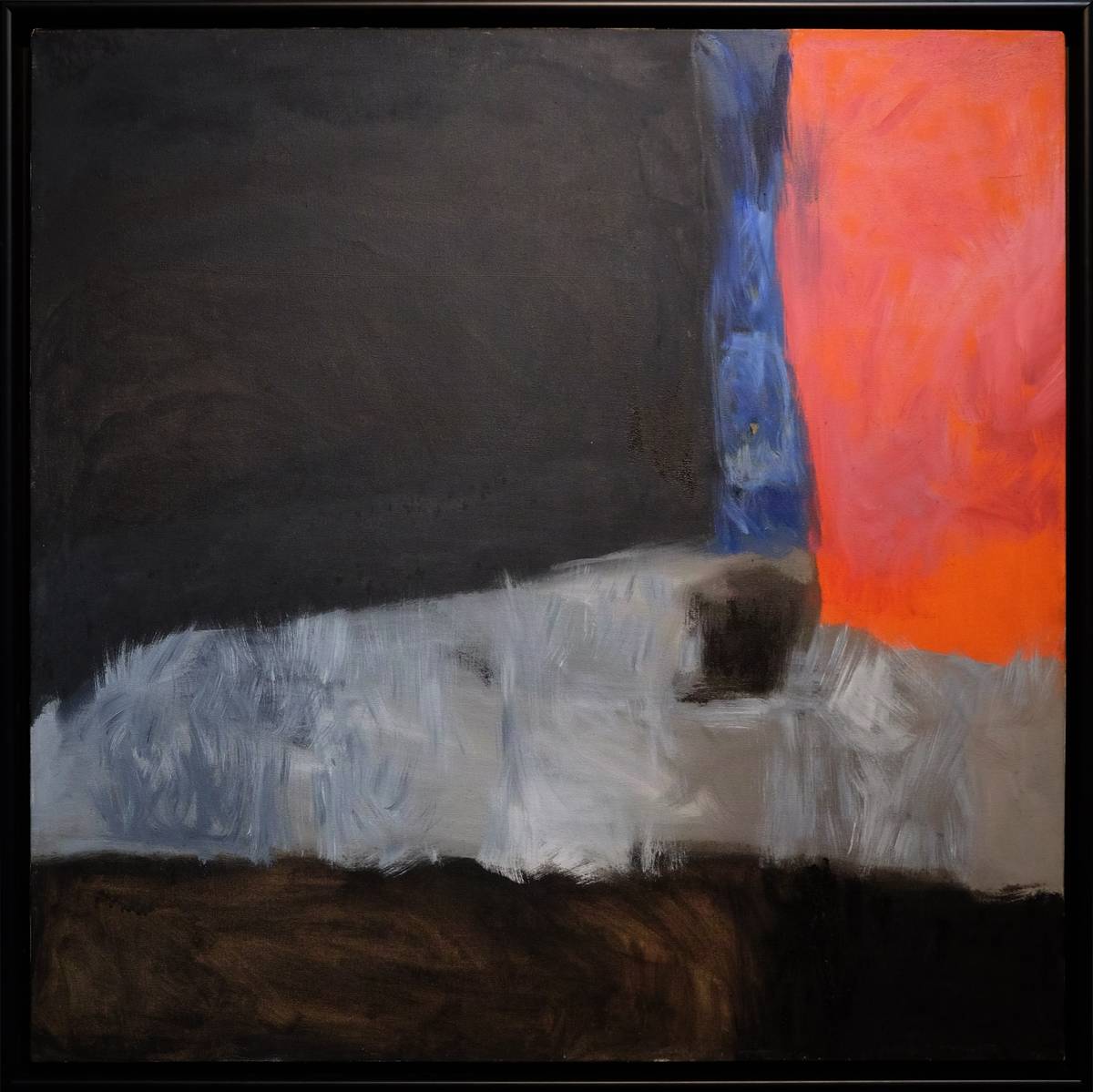
Untitled, undated, oil on canvas.
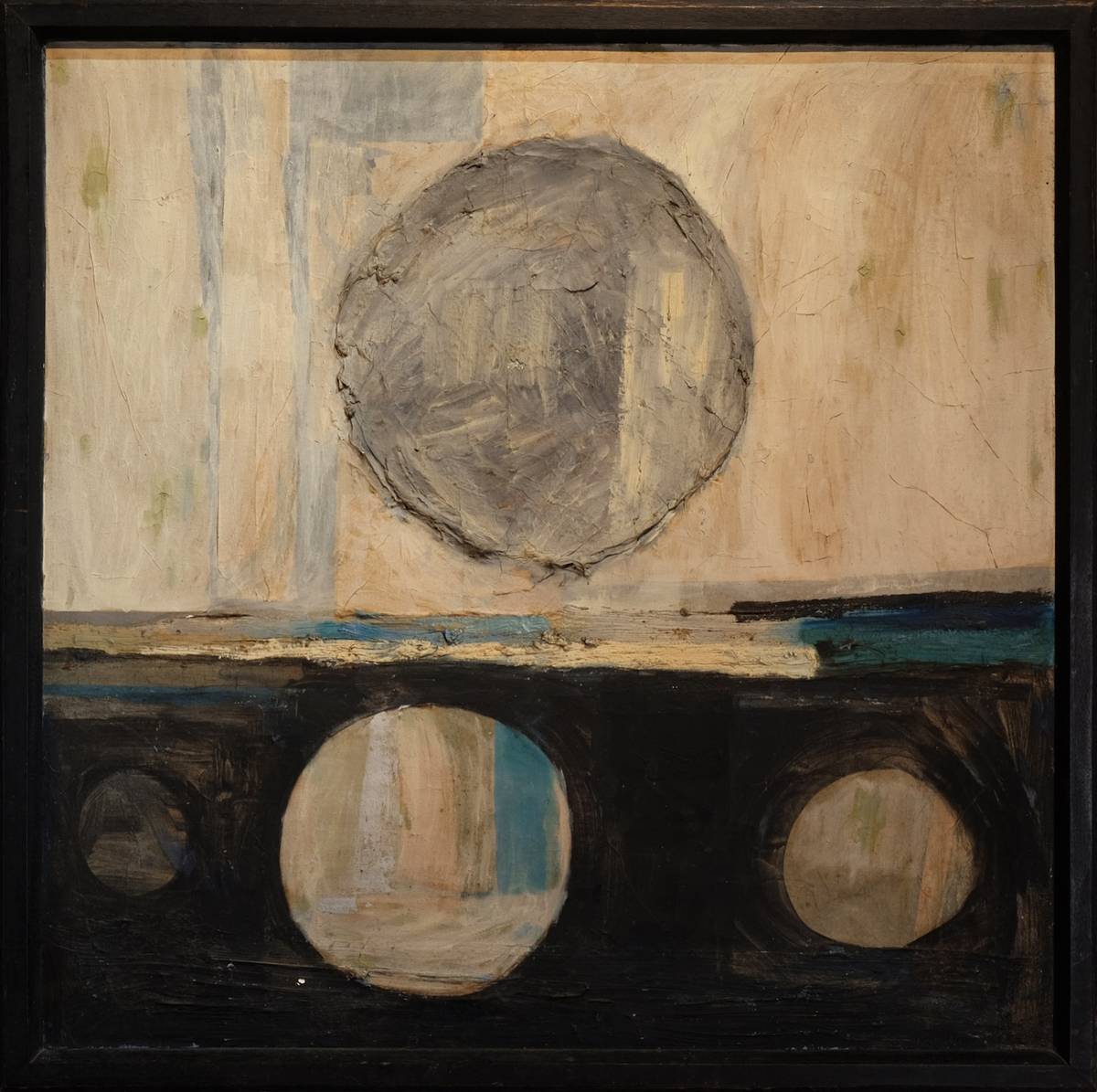
Circles, undated oil on canvas.
Born in Manila, Concepcion received his degree in Fine Arts from the University of the Philippines in 1953 and worked as an opera backdrop artist under Ireneo Miranda. During this time, his paintings and prints featured landscapes, seascapes, and the common folk. He rendered them flat and yet displayed a focus on the subtle gradations of hue and tone while hinting at perspective and depth.
In 1961, he went to Rome as an Italian government scholar for his graduate studies and received his MFA (Licenziato di Pittura) from the city’s Accademia di Belle Arti. While in Italy, Concepcion was introduced to the Arte Informale movement, whose members were recognized for breaking free from the historic limitations of painting by forging personal methods that are independent of any calculated and logical bearings expected of traditional abstraction.
This period marked the beginning of Concepcion’s practice where he produced works that evoke feelings of transcendence and peace. In them, heavy strokes of dark colors are reclaimed by an unapologetic use of a lighter palette forming images that seduce and soothe the viewer.

Untitled, undated, watercolor.
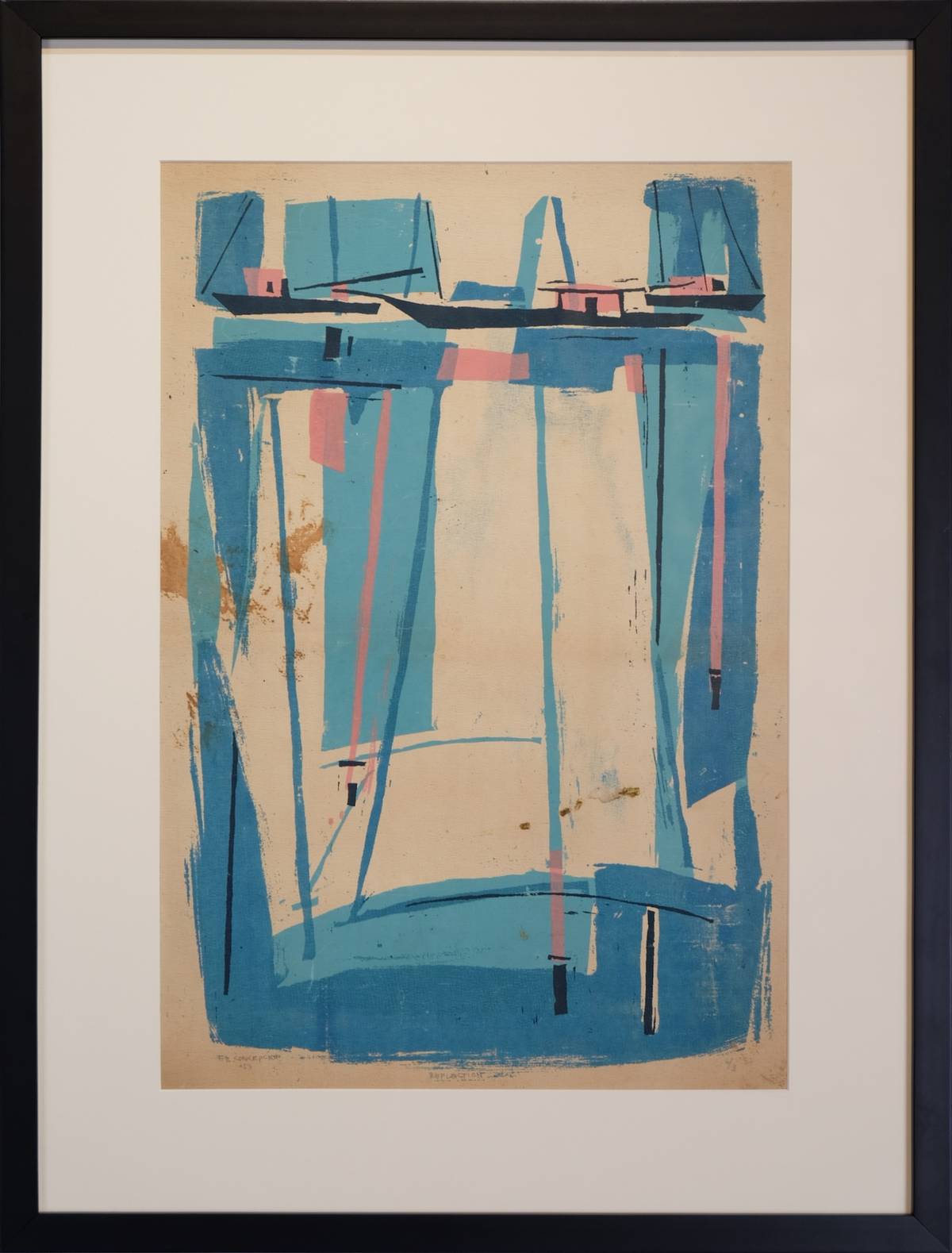
Reflection, 1959.
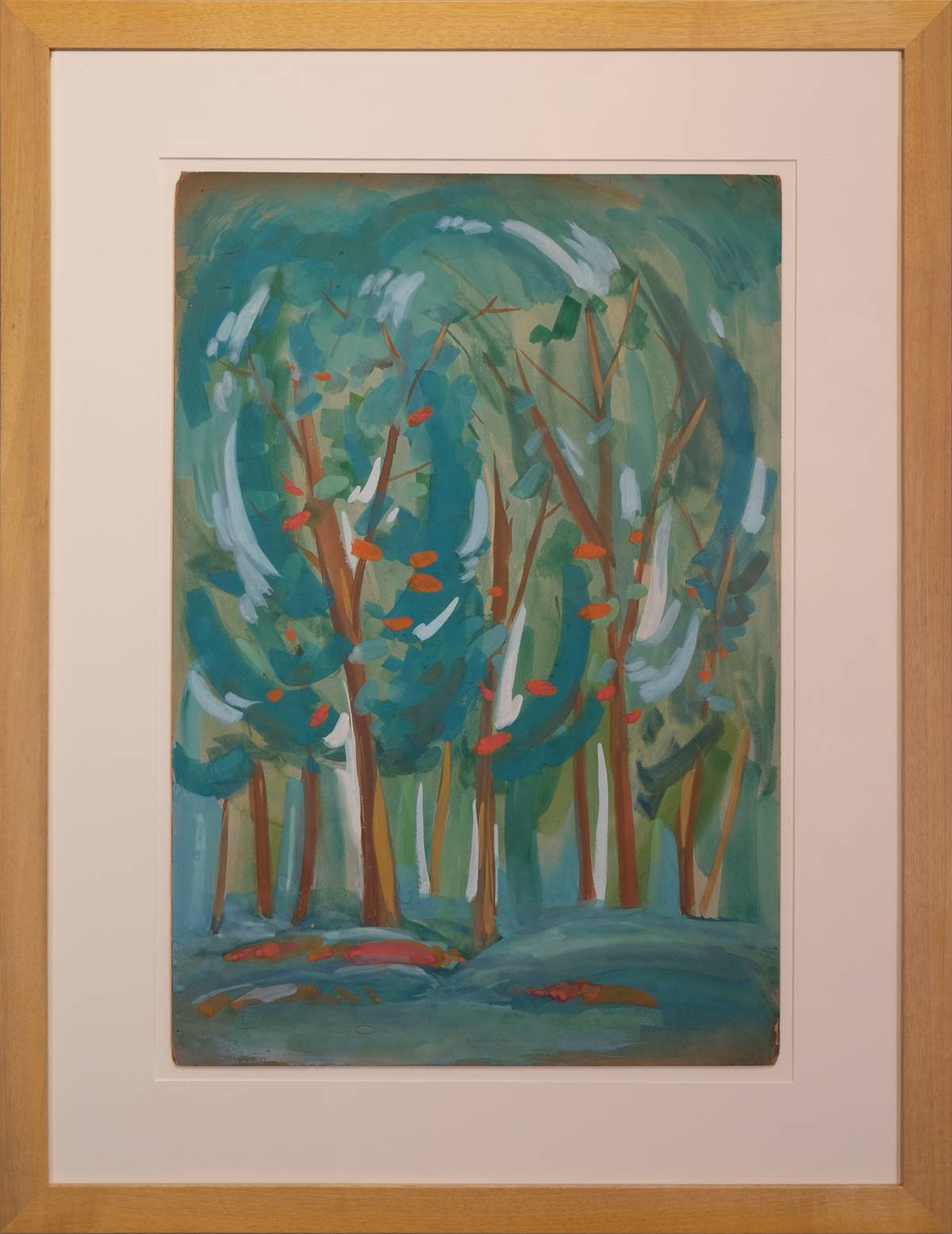
Untitled undated gouache.
He once remarked, “A painting must move you. If you think while painting, you will produce a synthetic painting.” Instead, he joined the faculty of Fine Arts at the University of the East, where he mentored generations of artists, some of the most notable ones are Lao Lianben and Romulo Galicano. He was known to constantly challenge his students, asking them why they paint, while teaching them the principles of art and its methodologies, instilling in them the importance of critical self-reflection in their practice. In gathering these works, the exhibition is an occasion to witness the embodiment of the sublime through Concepcion’s artistic brilliance.
Rosales has always championed the works of FB, even showing them at an art fair abroad some years ago. “We are very happy to be working with the gallery and his estate on this show, which hopefully raises more awareness for this Modern
Master whose work is totally ripe for reappraisal and should be given his rightful place with the greats in the timeline of Philippine Art.”
“Mixed Media: Florencio B. Concepcion” is part of a series of projects outlining art movements and influential figures who contributed to the dialogue of Philippine art. It will run until 27 August.
Avellana Art Gallery is located at 2680 F.B. Harrison Street, Pasay City.