
The ties that bind
One of the biggest influences in modern dressing in the Philippines is the introduction of the phenomenal Japanese ready-to-wear brand, Uniqlo. From minimalist to classic styles, they have championed mass commercialism and transcended into the day-to-day lives of the Filipino people


Hiro Suzuki, Tetta Matera and Jason Coates, organizers of the PHx Tokyo Sales Showroom & Exhibition. Hiro and Jason are the owners and partners behind H3O Fashion Bureau, one of Tokyo most reputable sales and PR showrooms.
Fashion today is a plethora of multicultural influences. Whether ready-to-wear, couture, or made-to-order, history has witnessed the evolutions and revolutions of styles in the way Filipinos dress in their everyday wear.
One of the biggest influences in modern dressing in the Philippines is the introduction of the phenomenal Japanese ready-to-wear brand, Uniqlo. From minimalist to classic styles, they have championed mass commercialism and transcended into the day-to-day lives of the Filipino people. They have not only introduced clothing but also a contemporary lifestyle. In recent years, Philippine fashion has been finding its way to the land of the rising sun. New designs, perspectives and unique artistry have been catching the discerning Japanese eye. One major reason, if not the only one, is a former Filipina supermodel, columnist-journalist and now entrepreneur who has moved to Japan and carries our flag not only on her sleeve but in her heart of gold.
I speak of one unsung hero and patriot of modern times — Tetta Ortiz Matera.
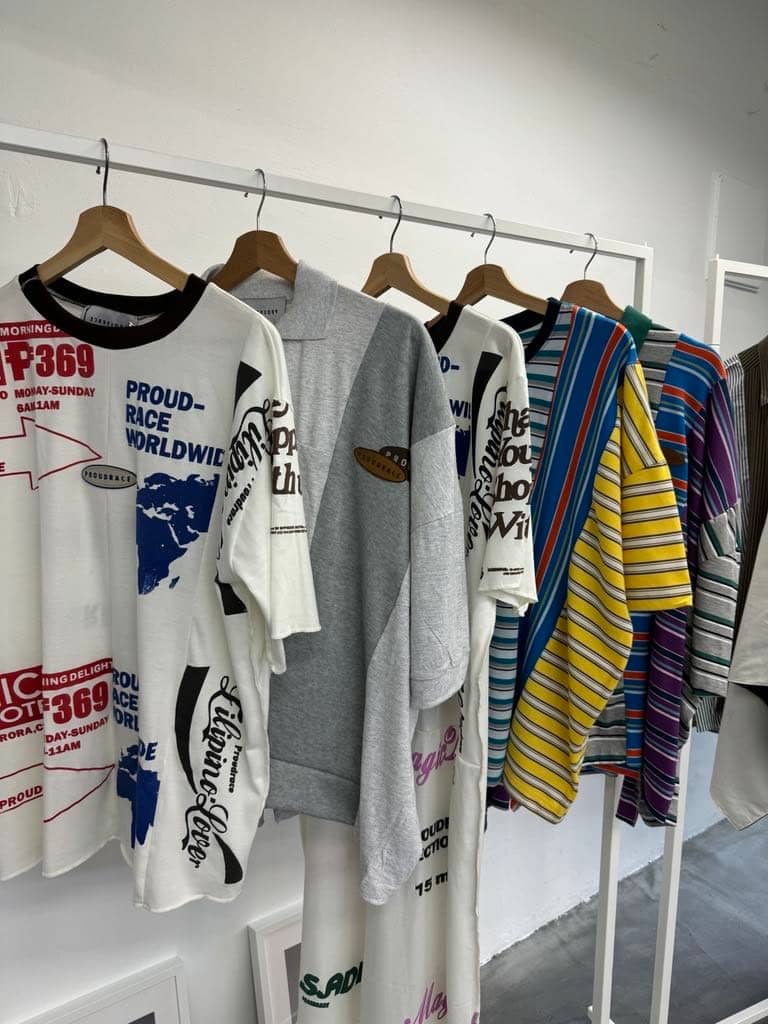
PROUDRACE at the Esmeralda Serviced Department Pop-Up.
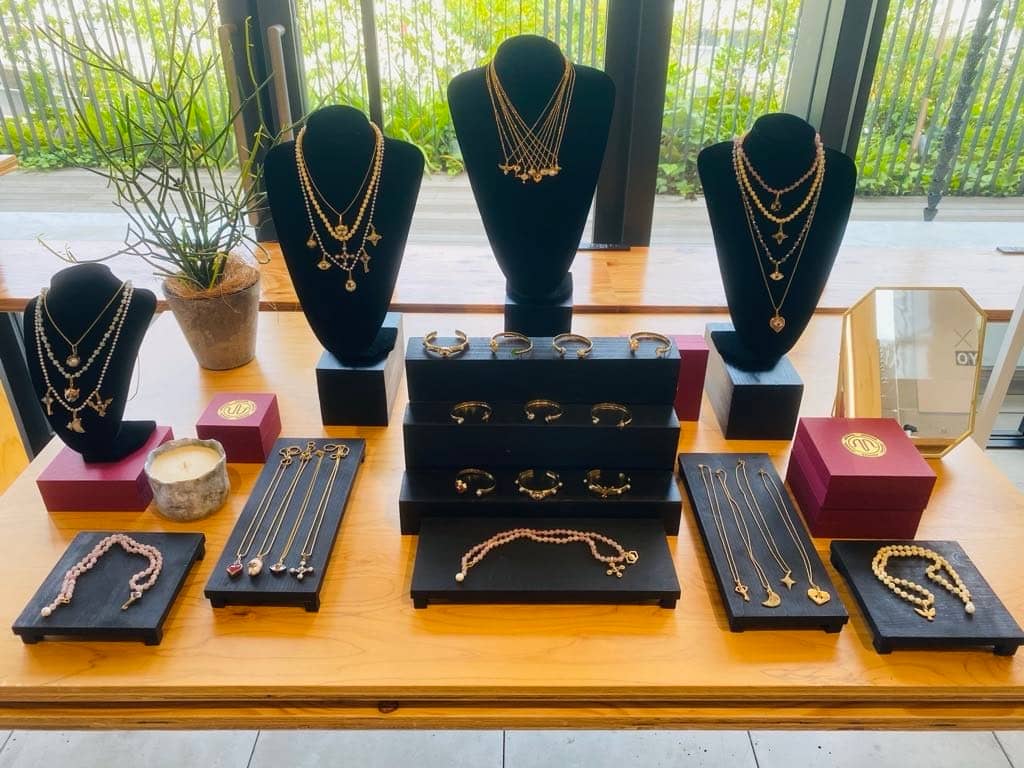
JMAKITALO jewelry at the PHx Tokyo sales showroom and exhibition, June 2021.
Online fashion
Tetta moved to Tokyo in 2013 and, for two years, covered Tokyo Fashion Week for a newspaper. During one of the shows, she met the then president of the Japan Fashion Week Organization (JFW), who in 2016 asked if she would like to be the point person for the Philippines for a five-year fashion program they had developed for the ASEAN region. She said yes, and that is how the Asian Fashion Meets Tokyo shows for young Filipino brands started. Designers such as Seph Bagasao, CJ Cruz, Renan Pacson, Jaggy Glariño and RJ Santos, to name a few, presented their collections during Fashion Week Tokyo.
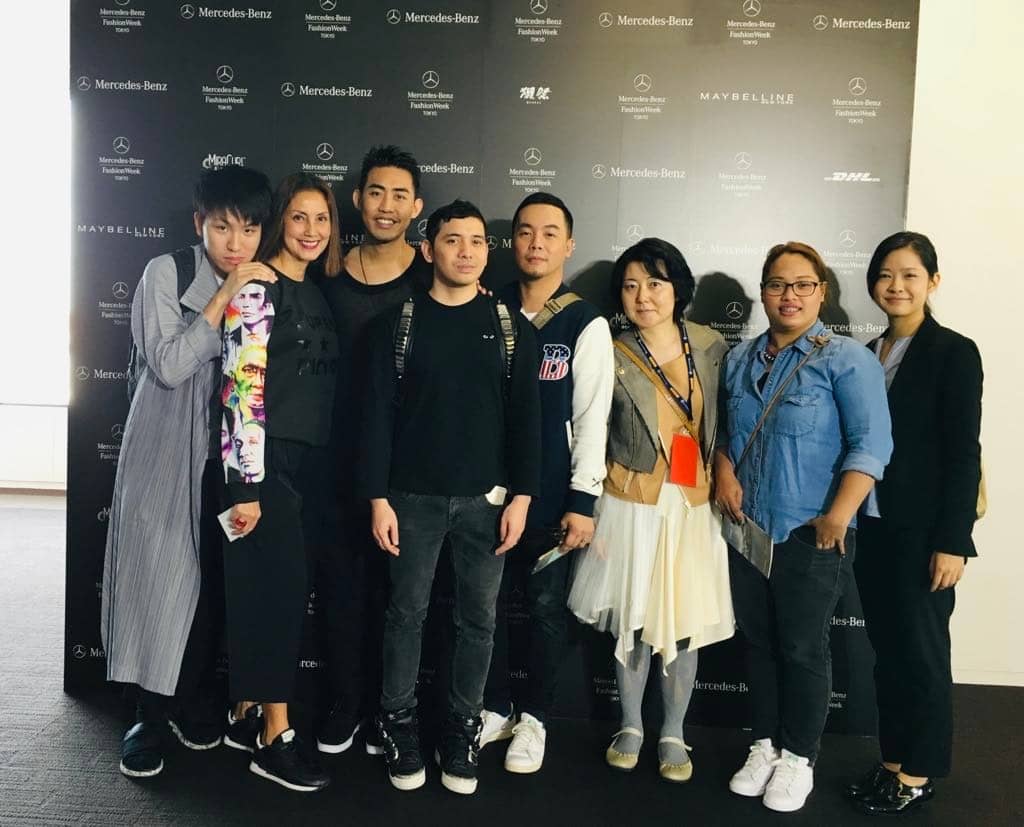
THE first Asian Fashion Meets Tokyo in October 2015 with Renan Pacson, John Herrera and Ken Samudio with then president of Japan Fashion Week organization, Akiko Shinoda.
Unfortunately, due to Covid-19 and the end of funding by the Japanese government, the project was discontinued. In 2017, she began producing her own pop-ups and participated in artisans showcases featuring different Filipino brands. In 2019, she worked with several young designers to organize the PHx Conference, a two-day event of presentations and forums by fashion PR and sales showroom specialists from Tokyo, as well as Filipinos involved in the Japanese fashion industry.
As a result, CITEM funded a groundbreaking online fashion mentoring program for designers with Tetta and H3O Fashion Bureau, one of the most established PR/sales showrooms in Japan. This mentoring culminated in PHx Tokyo, the first-ever sales showroom and exhibition in Tokyo for Japanese buyers and press. It was a significant achievement because PHx Tokyo was held in 2020 during the pandemic. Since then, Tetta has worked closely with some of the designers from that program and others for an annual pop-up with a Japanese multi-brand store. She continued to organize her own pop-ups and developed fashion and cultural presentations for the Philippine Embassy as well under her company, LIT Fashion Consultancy.
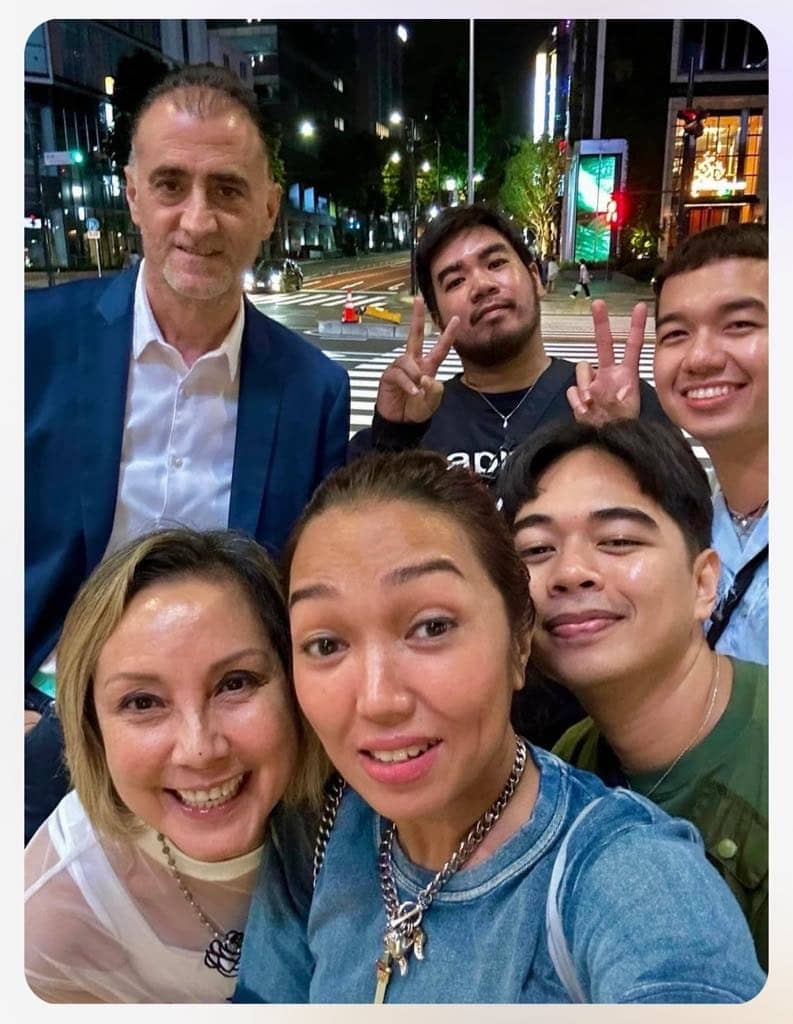
OTSUKARESAMA night out with Joyce Makitalo, Seph Bagasao, Kelvin Morales, Rik Rasos and Giorgio Matera after the weeklong pop-up at Esmeralda Service Department in June 2023.
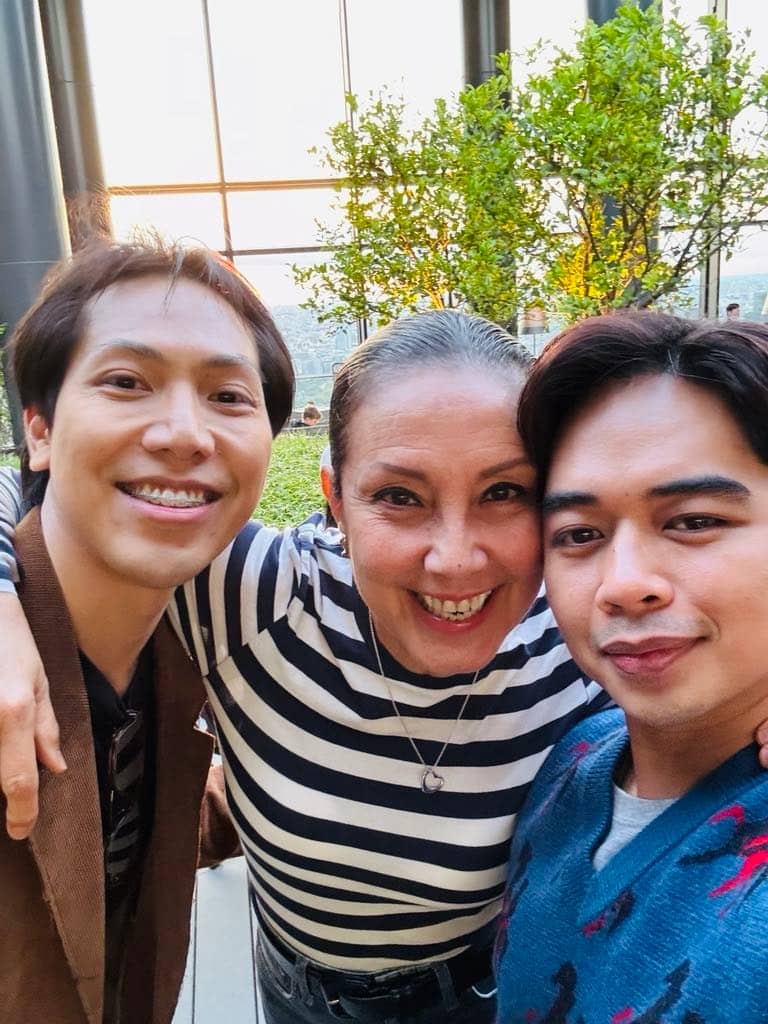
Tetta with talented designers Jerome Lorico (left) and Seph Bagasao.
NEW NOW NEXT interviews Japan-based Tetta Ortiz Matera about the presence of Philippine fashion in Japan, how it’s doing now, and what’s in store for the future.
NNN: Why did you decide to do what you’re doing now?
TOM: I have always had a passion for fashion, and I wanted to continue my participation in the industry in a way that I knew could have an impact on some of our local brands and designers. What drove me to start organizing my own pop-ups was that every time I wore something made by our designers, people would say, “That is so beautiful, I love it!” followed by, “Where can I buy it?” So, I decided to bring these products to Tokyo. Of course, this is a small step towards achieving a bigger goal, which is to see our brands sold in Japanese retail establishments long term.
NNN: What makes Philippine fashion interesting to the Japanese?
TOM: The young Filipino brands have a very strong point of view; they have stories to tell. For example, the use of Filipino fabrics and hand embroidery in contemporary designs, as seen in the cases of Kelvin Morales and Idyllic Summers, and the sustainability aspect of their business models. The Japanese appreciate that our brands do not mass-produce and are conscious of their impact on the fashion ecosystem.
NNN: Why do Filipino talents want to try the Japanese market?
TOM: I believe this is because the Japanese market is the most difficult fashion retail market to penetrate globally. The Japanese have a very particular aesthetic, and their demand for quality is higher than in most markets. Therefore, it poses an exciting challenge for our local designers.
NNN: What’s the biggest fashion influence of the Japanese to Filipinos?
TOM: Having lived here all these years and having interacted and worked with people in both the Japanese and Philippine fashion industries, I feel that our designers see how uncompromising Japanese designers are with their work. Japanese designers primarily design to showcase creativity, not just to make money, although some of the most well-known and successful global fashion brands are Japanese. Domestically, many small Japanese brands have a cult following because they stay true to their brand identity. They are not afraid to remain small and take pride in the designs they create for Japanese consumers.
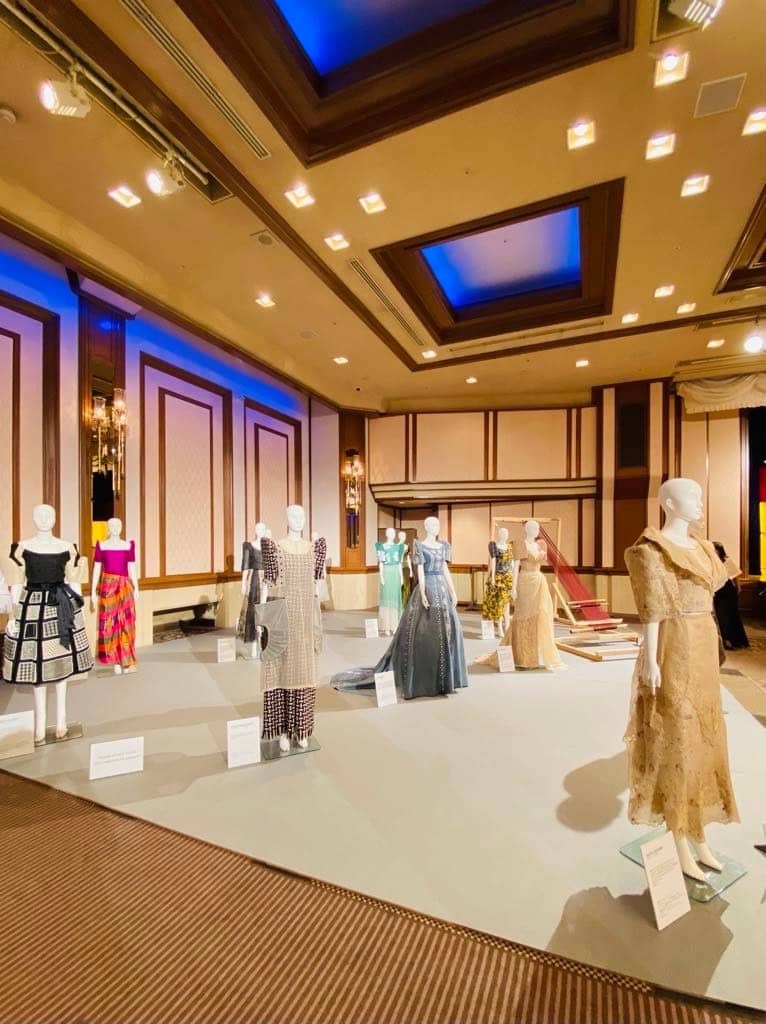
Terno Exhibition at the 125th Philippine Independence Day reception, June 2023.
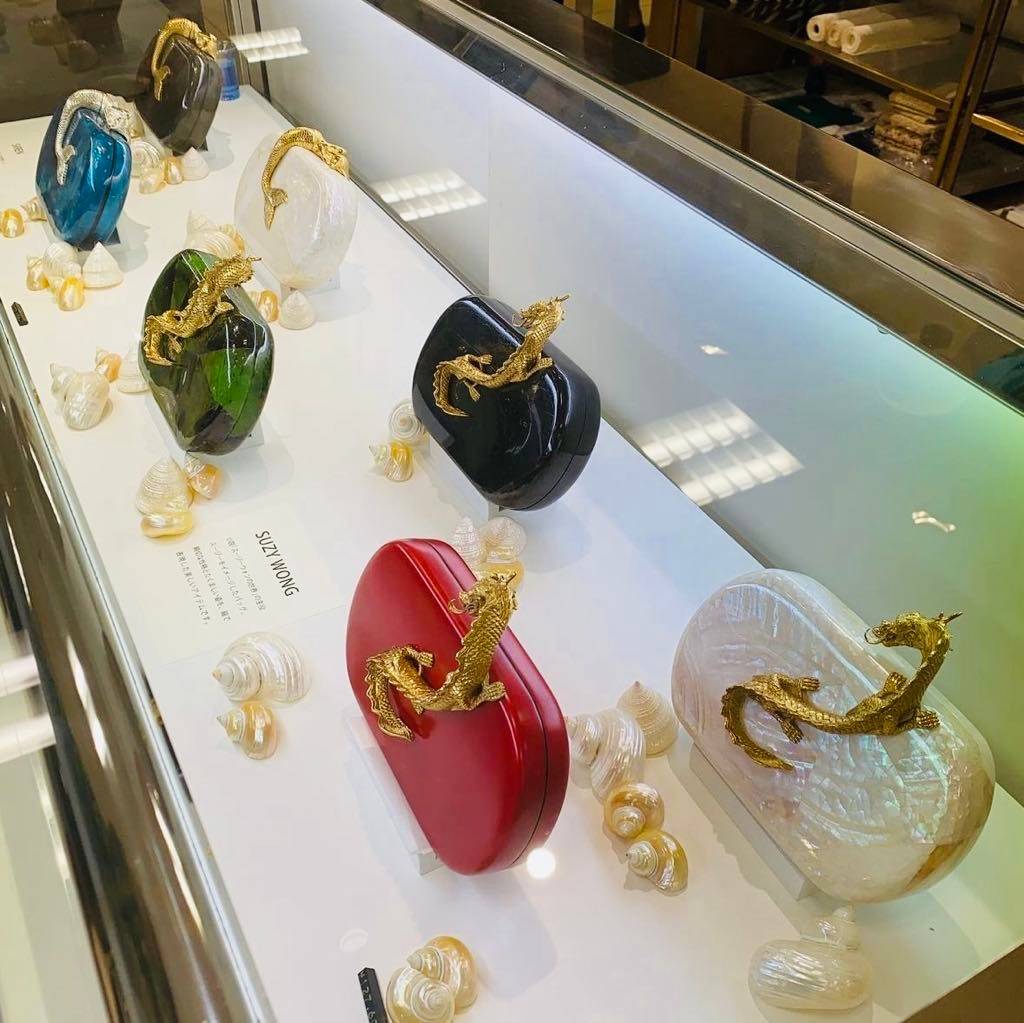
NEIL Felip clutch.
NNN: What do both countries have in common in terms of fashion?
TOM: Both Japan and the Philippines are home to very exciting, niche and small fashion brands led by young people. These brands contribute to the thriving fashion scenes in both markets.
NNN: What kind of Japanese fashion can be adaptable to the Philippines?
TOM: Layering for Women. The Japanese love to layer different items of clothing, making it both fun and effortless. I see women here wearing long dresses over pants, shorts under skirts, tank tops over t-shirts, prints on prints, and so on, and they pull off these looks quite nicely.
Carrying Bags for Men. I love how Japanese men comfortably carry totes and cross-body bags while making it look very masculine. I’ve seen Japanese men carry items like the Dior Book Tote and even the Hermes Birkin with confidence, and they look fashionable doing it
NNN: What are some Filipino brands that can be found in Japanese stores?
TOM: FORTUNE W.W.D, a Filipino streetwear brand, has a capsule collection currently available at United Arrows & SONS in Jingumae, Shibuya-ku. HA_MU had a small collection at Matsuya Ginza, and Neil Felip participated in a pop-up with a Japanese kimono brand at Isetan Shinjuku in 2022 as part of the PHx Tokyo project. ProudRace is available at several select streetwear shops in Tokyo.
NNN: Are there Filipino fashion creatives working in Japan?
TOM: I know of one fashion stylist named Leonard Arceo. I am not sure if he is half-Japanese, but he has achieved significant success as a fashion stylist here in Tokyo. It’s very difficult to come and work in Japan due to the stringent requirements for acquiring a work visa. Additionally, you must speak, read and write Japanese to work in a Japanese setting.
NNN: Challenges of creating a platform for Filipinos in Japan?
TOM: Finding like-minded people and securing long-term funding for projects that will impact the businesses of our local fashion designers and brands in the future is crucial.
NNN: Biggest thing you learned from all your experience in fashion in Japan.
TOM: I have learned that it takes a very long time to establish business relationships in Japan, not just in fashion. One must be very patient and respectful of the Japanese way, mindful of how unique their cultural norms are. During the PHx Tokyo exhibition and sales showroom, I heard from numerous buyers how pleased they were with the quality and designs of our brands, and they expressed enthusiasm about seeing future collections and watching how the brands grow in the coming seasons.
Also, I learned that what works in European, US, or other overseas fashion markets in terms of designs, no matter how popular, doesn’t necessarily mean it will work in the Japanese market. Their fashion aesthetic is quite unique compared to the rest of the world, so I advise the young designers I work with to take this into consideration.
Tetta Ortiz Matera is a living testament to the strong relationship between Japan and the Philippines in the field of fashion. She has worked with Maureen Disini, Techie Hagedorn, Joanna Preysler, Amarie, Ken Samudio, Feanne, Paula Figueras of Gusto, Stella Soriano of Lily Jewelry, Seph Bagasao of Bagasao Studio, Kelvin Morales, Neil Felip, Rik Rasos of Proudrace, Steffi Cua of Idyllic Summers, ANCÀN, Bayongciaga, Randy Ortiz, Wilson Limon of Nino Franco, Len Cabili of Filip+Inna, Aranaz, Malou Araneta and Mich Araullo since she started organizing pop-ups and other projects in Tokyo.
Through her modest efforts, she has created a more proactive exchange and interaction, resulting in more creative design possibilities for Filipino talent. Her presence and contributions bring so much optimism and hope for the future. The patriot concludes, “In my personal capacity, I will continue organizing pop-ups while also seeking opportunities to help bring Filipino brands to Japan. There is a particular project I am excited about, and if all goes well, I will assemble a curated group of Filipino brands to participate in 2025.”
Mabuhay ka, Tetta!