
Four steps you can take toward longevity
Walking also aids in the reduction of visceral fat, also known as belly or abdominal fat, which is particularly hazardous to one’s health.


Bidding farewell to a year that brought more TikTok wellness advice, an abundance of processed fake meats and news on weight-loss injectables, the pursuit of a fulfilling and enduring life has become more desirable than ever.
Longevity is not just about adding years to life, but ensuring those years are vibrant, active and deeply satisfying. Here are four practical healthy lifestyle habits to inspire people to continue making healthy choices that promote growth, longevity and overall well-being.
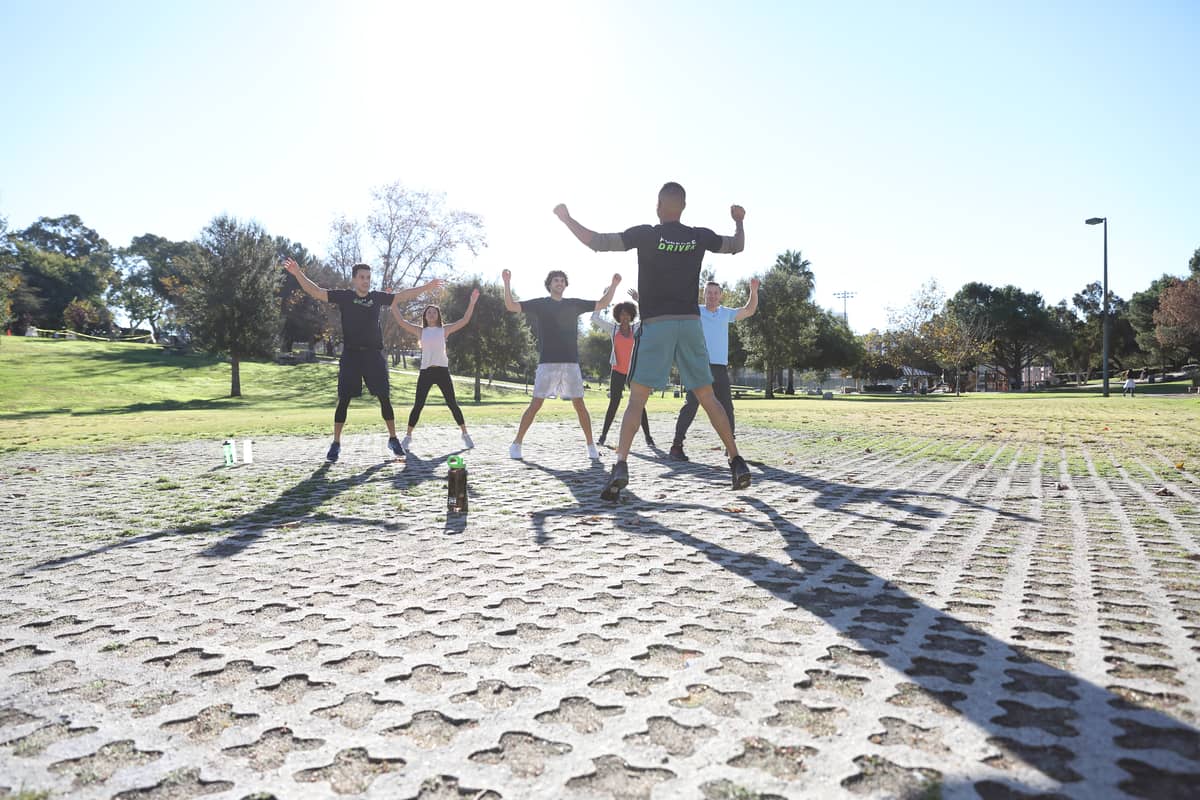
Don’t underestimate the benefits of straight-up walking for overall health.
PHOTOGRAPH COURTESY OF herbaife
Walk after your meals
Don’t underestimate the benefits of straight-up walking for overall health. Not only does this improve cardiovascular fitness, but it also strengthens bones and muscles.
According to Michelle Ricker, a registered dietician nutritionist and director of Worldwide Health Education and Training at Herbalife and chair of the Herbalife Dietic Board, studies show that light exercise, such as going for a five- to 10-minute walk following a meal, can aide in digestion and lower blood sugar. Post-meal walks are therefore a secret weapon for boosting metabolism and overall weight management.
Regular brisk walking combined with healthy eating is extremely effective for weight loss, when overall energy output exceeds caloric intake. Walking also aids in the reduction of visceral fat, also known as belly or abdominal fat, which is particularly hazardous to one’s health. In fact, recent research published by the Journal of American College of Cardiology found that walking 800 to 10,000 steps per day cuts your risk of dying (all-cause mortality) by more than 50 percent.

Embrace the power of resistance training
An increasing number of studies, such as one published in the National Library of Medicine, are highlighting the importance of resistance training for overall physical health. They emphasize how maintaining and building lean muscle is key to longevity and a functioning metabolism.
Ricker highlights, “As we age, our bodies begin to lose muscle mass. This effect does not only decrease our strength, but it also begins to decrease our bone density, as our muscles are the support structure for our bones. By adding resistance training, and subsequent lean muscle mass, we not only support our bones, but we also will burn more calories at rest since muscle burns more than fat — another key to a strong metabolism.”
One could implement resistance training into their daily routine in a straightforward manner by performing push-ups, beginning with wall push-ups and progressing to the floor as their strength increases.

High protein breakfast helps with fat loss.
Eat your protein
One of the biggest reasons to eat protein is that muscle mass decreases approximately three to eight percent per decade after the age of 30 and this rate of decline is even higher after the age of 60.
It’s true that you need adequate protein in order to build lean muscle. But eating more protein alone won’t cause you to develop more muscle; resistance exercise is needed to target those muscles.
The process of muscle repair and growth (also known as muscle protein synthesis) occurs as your body recovers from a bout of exercise and taking in about 20 to 30 grams of high quality protein after a strength-training workout.
Some great protein sources are meat, chicken, fish, eggs, soy, whey and caseine.
Take care of your gut
Despite its vital importance, gut health remains one of the least discussed aspects of body maintenance The term “gut health” pertains to the presence of a well-functioning microbiome in the small and large intestines, as well as the absence of excessive digestive symptoms.
As we progress through life, there are a lot of things that can breakdown our microbiome. Some major factors include stress, eating sugar, fried foods, processed foods, and taking antibotics.
It is important to rebuild a healthy gut, as it helps boost metabolism, keeping a healthy digestion and aids in immune health since 70 to 80 percent of our immune cells are present in the gut.
According to Ricker, “Taking a probiotic daily, eating variety of high fiber fruits and vegetables, fermented food or yogurt are some of the ways that we can rebuild and repair our gut health.”
Seek support
Another key aspect of longevity is seeking support. Joining a community or seeking support toward longevity will inspire and meet one’s goals. Personal connection fosters motivation, making it more likely to adhere to healthy lifestyle habits and deliver results.
Longevity isn’t just about individual efforts, it thrives on connection, communal encouragement and creating a foundation for a healthier and more fulfuilling life.