




Palo Alto leverages AI vs cyber threats (2)
The NGFW uses machine learning to automatically detect and block sophisticated threats, ensuring comprehensive security across an organization’s network.

Text size
The NGFW uses machine learning to automatically detect and block sophisticated threats, ensuring comprehensive security across an organization’s network.
Palo Alto Networks, a leading cybersecurity company, offers a comprehensive security solution with its Next-Generation Firewall (NGFW), which goes beyond traditional protection by incorporating features like intrusion prevention and application awareness.
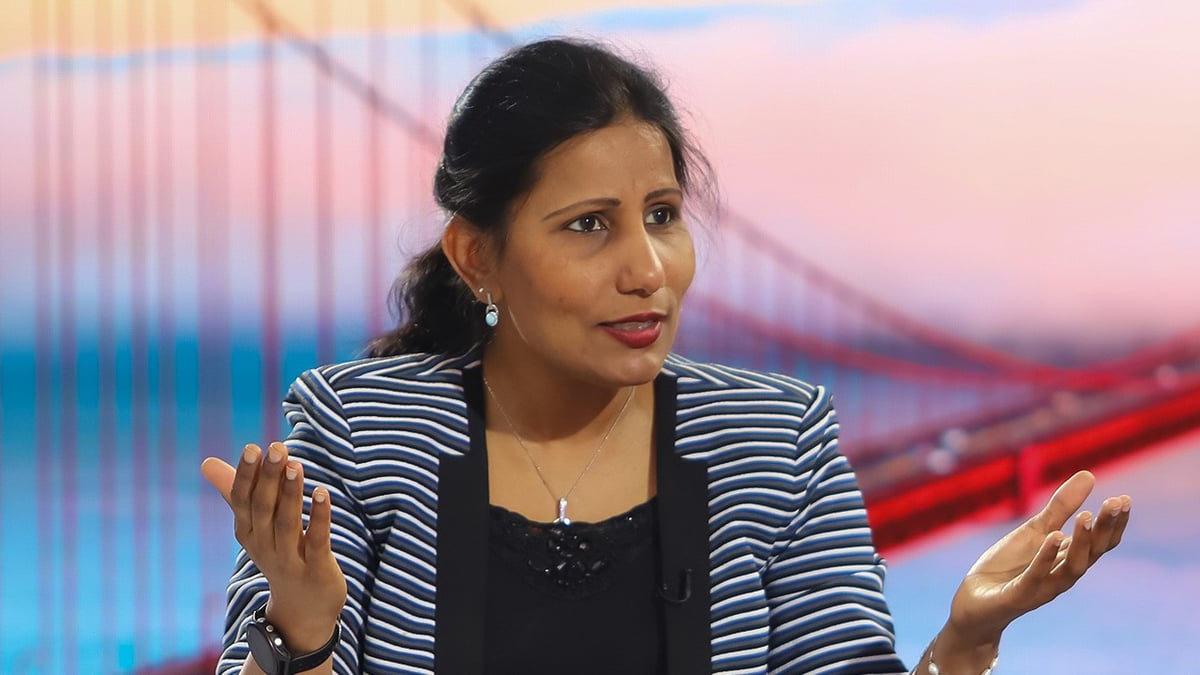
In an interview with DAILY TRIBUNE, Palo Alto’s CIO Meerah Rajavel plunged deep into the NGFW’s capabilities and how Palo Alto sets itself apart through its unique AI integration and commitment to data privacy.
Q: Explain Palo Alto’s NGFW?
Palo Alto’s Next-Generation Firewall is a cornerstone of our cybersecurity offerings. It goes beyond traditional firewall capabilities by integrating advanced features like intrusion prevention, application awareness, and user identification.
The NGFW uses machine learning to automatically detect and block sophisticated threats, ensuring comprehensive security across an organization’s network. It also supports scalable, high-performance environments, making it suitable for modern, dynamic IT infrastructures.
Q: Vendors are going AI, how does Palo Alto differ from the Rrst?
A: Palo Alto Networks differentiates itself through its deep integration of AI across all platforms, such as Strata, Prisma, and Cortex — AIs that incorporate machine learning and deep learning with generative AI, providing real-time threat detection and proactive security measures. This comprehensive approach ensures that AI is not just an add-on but a fundamental part of their security architecture, enabling more effective and efficient threat management.
Q: How about healthcare cybersecurity?
In healthcare, Palo Alto Networks is pioneering cybersecurity solutions to protect connected medical devices and simplify security consolidation. Their technologies ensure secure communications between devices and protect sensitive patient data from cyber threats.
By consolidating security functions into a single, integrated platform, healthcare organizations can reduce complexity and improve their overall security posture. This approach not only enhances patient safety but also streamlines compliance with regulatory requirements.
Q: What is unit 42?
Unit 42 is Palo Alto Networks’ elite team of cybersecurity experts and incident responders. Its members provide threat intelligence, digital forensics, and incident response services to help organizations tackle complex cyber threats. Unit 42’s insights and research are critical in developing proactive security measures and understanding the evolving threat landscape, making them an invaluable resource for both Palo Alto Networks and their clients.
Q: Steven Scheurmann mentioned Precision AI which processes 1 petabyte of data daily to monitor and study. Isn’t that on the dangerous side from the viewpoint of data privacy?
A: Precision AI is designed to anonymize and aggregate data to ensure that individual privacy is maintained. The primary goal is to identify and mitigate threats without compromising personal data. This approach allows Palo Alto Networks to provide robust security solutions while respecting and protecting users’ privacy.
Three decades after the Marcopper mining disaster devastated Marinduque’s waterways, the province is again pressing the…
Housing is probably the biggest issue affecting people the world over.
Malacañang on Monday called for a more thorough investigation into the questioned flood control projects in Taguig…
The defense on Monday backed the move by senator-judges to exclude a prosecution witness who testified on the firearms…
