




NEDA supports reinstatement of NFA’s authority in emergencies

Text size
The National Economic and Development Authority (NEDA) has expressed conditional support for proposed amendments to the Rice Tariffication Law (RTL), provided that the National Food Authority (NFA) intervenes in the market solely during emergencies.
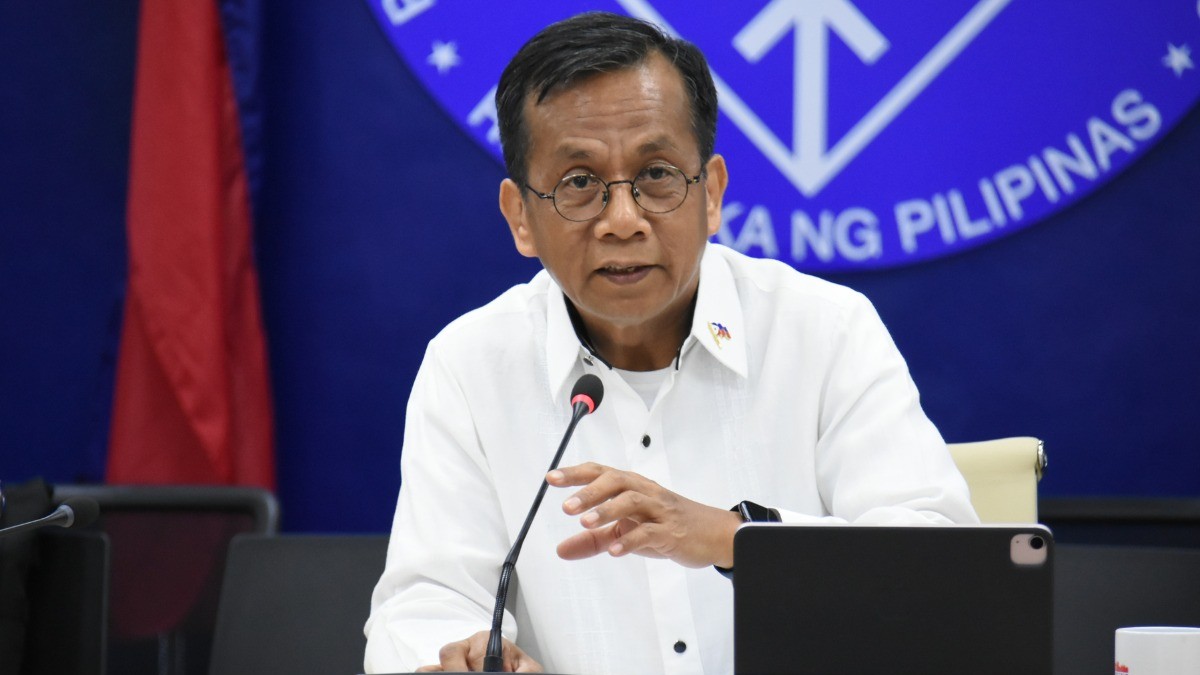
During a Palace briefing on Monday, NEDA Secretary Arsenio Balisacan stated that revising the RTL to empower the NFA to manage a reserve stock specifically for emergencies is crucial.
This would enable the NFA to intervene in situations such as sharp price increases or natural disasters that disrupt supply chains and affect vulnerable populations, he said.
Balisacan emphasized the importance of clearly defining what constitutes an emergency in the proposed amendment. He envisioned the emergency stockpile being utilized to assist low-income Filipinos and areas severely affected by droughts, floods or other calamities.
One of the revisions being considered under the RTL is the restoration of the NFA’s authority to purchase and distribute rice.
Balisacan stressed the need to preserve the gains made in reform efforts over the years, highlighting the importance of improving the efficiency and operation of the NFA.
President Ferdinand Marcos Jr. had earlier expressed his intention to certify the RTL amendments as urgent to address the high prices of rice, currently ranging from P50 to P60 per kilo.
When asked about Marcos’ proposal for the NFA to enter the rice market and compete with retailers and traders, Balisacan reiterated the necessity for clarity regarding the definition of emergencies under the law governing NFA operations.
“It’s not clear in the law what that emergency is when we say we stock for buffer stocking,” Balisacan said.
Balisacan also underscored that while natural disasters like floods and droughts often trigger supply chain disruptions and price hikes, manipulative actions by market players could also warrant intervention.
He acknowledged the role of the Philippine Competition Commission (PCC) in combating cartels and hoarders but noted the inherent delay in the commission’s processes, which could hinder timely action.
“The Competition Commission’s processes take quite long because there is an investigation, and by the time the investigation is done, the action is over,” he explained.
Housing is probably the biggest issue affecting people the world over.
Malacañang on Monday called for a more thorough investigation into the questioned flood control projects in Taguig…
The defense on Monday backed the move by senator-judges to exclude a prosecution witness who testified on the firearms…
