
National Artists, international masters team up for Alice Reyes’ ‘Carmina Burana’
Set to Carl Orff’s cantata score, the narrative shares on the joys of drinking and merrymaking, life and love, through exotic and pagan movements into the sublime, the spiritual, and the divine

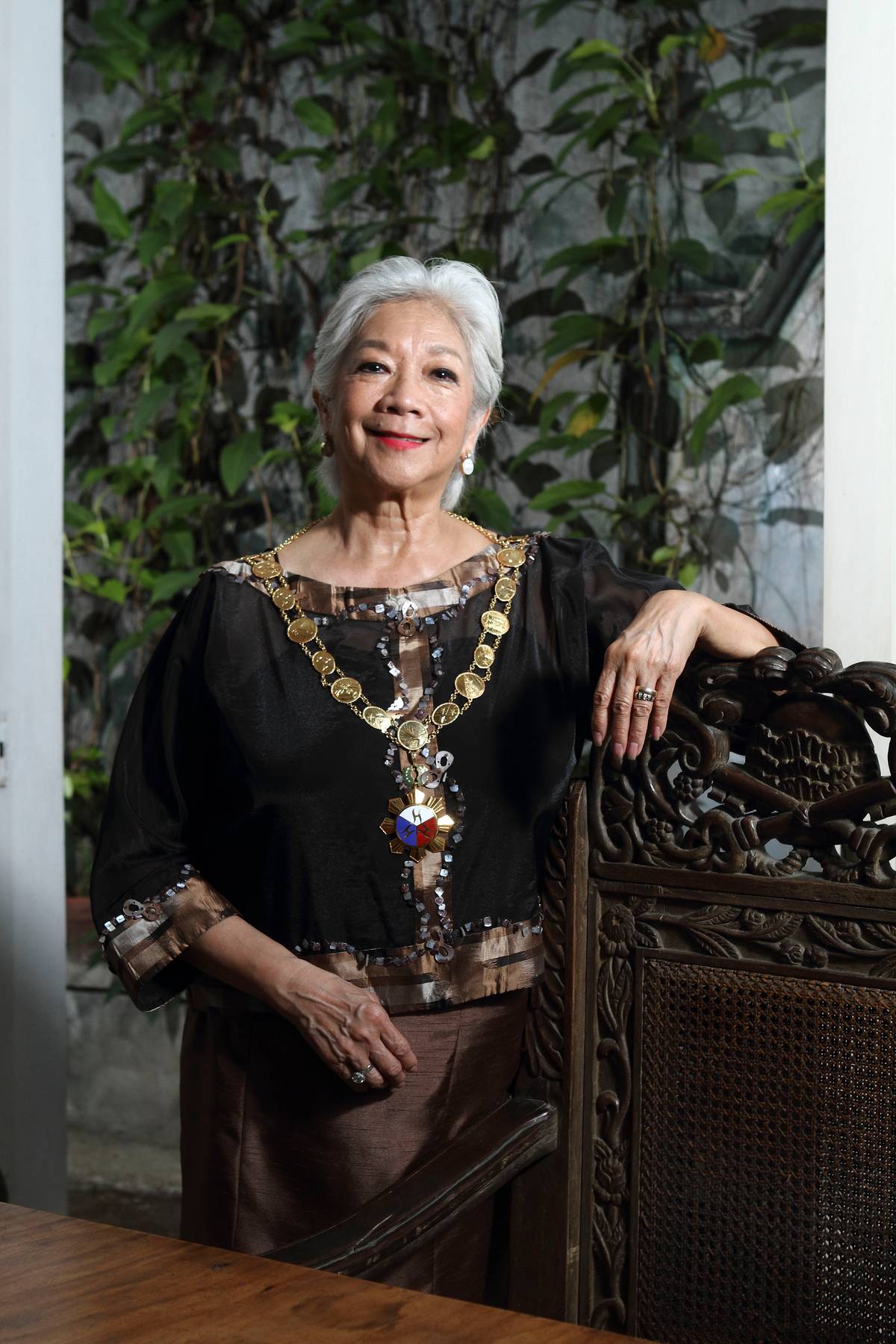
ALICE Reyes, National Artist for dance
PHOTOGRAPH COURTESY OF NOEL POBLETE
It will be a feast like no other: four laudable ballet performances, with a stellar cast, all in one evening! The affair is National Artist for Dance Alice Reyes’ Carmina Burana.
Carmina Burana, which is on its ninth restaging, first premiered in 1975, is one of Alice Reyes Dance Philippines’ (ARDP) most iconic pieces. Set to Carl Orff’s cantata score, the narrative shares on the joys of drinking and merrymaking, life and love, through exotic and pagan movements into the sublime, the spiritual, and the divine.
This particular version will feature the vocals of guest soloist soprano Lara Maigue, who hails from the multi-awarded Philippine Madrigal Singers, which was founded by the late National Artist for music Andrea O. Veneracion.
The performance is elevated by tapping the late National Artist for theater design Salvador Bernal, whose sets had reflective crystal-like formations akin to stained glass windows and a central cauldron with smoke and fire. The dancers’ costumes metamorphose from rather austere dark tights, skull caps and white capelets into emerald suits and long skirts, plus floor-length circular capes.
Dugso (The Offering) is yet another collaboration between two greats. This time, Reyes teams up with National Artist for music Dr. Ramon Santos. The groundbreaking stage depicts a rite where a young man undergoes an initiation reminiscent by the ethnic groups of the province of Bukidnon, in the island of Mindanao. Bernal is once again channeled for costume design, which results in a National Artist trifecta. A first for the current generation, Dugso was last shown over three decades ago, in 1990.
Summer’s End is dancer Norman Walker’s romantic spin on the bittersweet joys of love and romance, longing and parting, with choreography and costume design by Walker. He specifically constructed the performance for three different pairs of dancers with various interpretations. This allows them to perform en pointe, in soft shoes, or even barefoot!
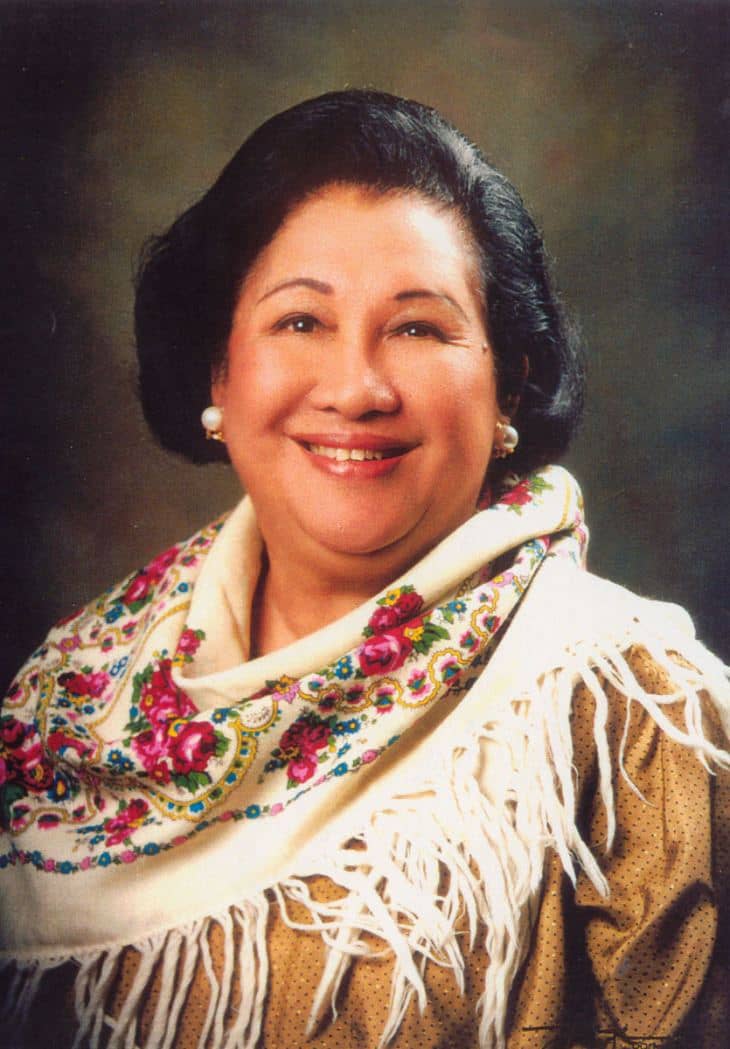
Andrea Veneracion, National Artist for music
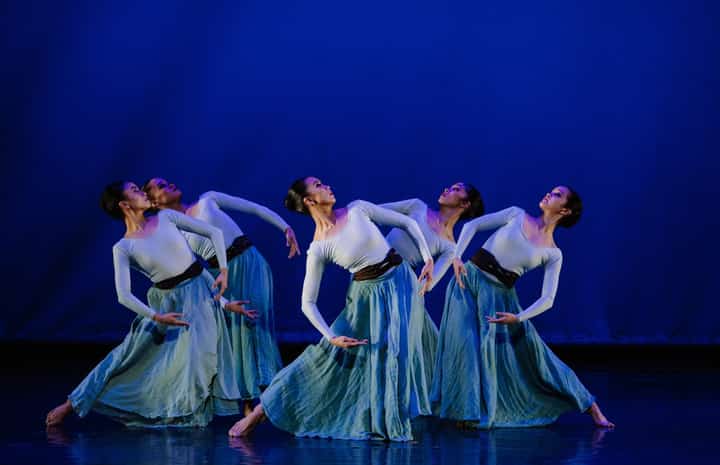
After Whom best exemplifies the ARDP’s technical prowess in different genres — modern, contemporary, and neoclassical. The abstract repertoire is a commentary on the power struggle between the sexes and the unfortunate subjugation of women. Choreography is by the internationally-lauded Augustus “Bam” Damian III, while music is meticulously crafted by Jerrold Tarog of Heneral Luna and Goyo: Ang Batang Heneral fame.
DR. Ramon Santos, National Artist for music
Photographs courtesy of Alice Reyes Dance ph
All four performances will be accompanied by live music from the Philippine Philharmonic Orchestra, one of the top ensembles in the Asia-Pacific region. The team is now headed by its music director and principal conductor, Maestro Grzegorz Nowak, a decorated Polish conductor who served various stints with symphonies and orchestras around the world.
Joining the music makers par excellence is the Philippine Madrigal Singers, led by choirmaster Mark Anthony Carpio, a faculty member of the Conducting and Choral Ensemble Department of the University of the Philippines College of Music. He is the second to lead the organization, when Veneracion passed on the baton.
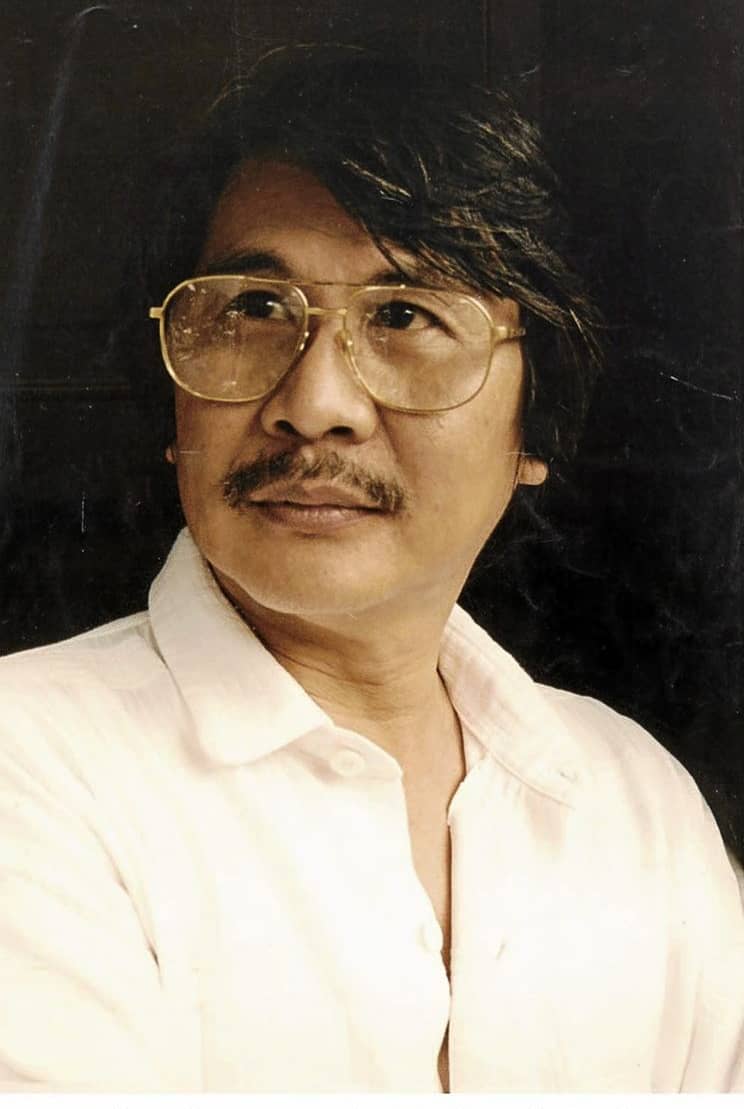
SALVADOR Bernal, National Artist for theater design
To further inspire budding artists, the night will highlight the Kilyawan Boys Choir, which traces its roots back to the Claret Boys Choir, plus the University of the East’s Silanganan Dance Troupe.
Alice Reyes’ Carmina Burana is presented by the Cultural Center of the Philippines and Alice Reyes Dance Philippines through the initiative of Senator Pia Cayetano. Performances are scheduled for 14 June, at 7:30 p.m., and 15 June at 2 p.m. and 7:30 p.m. For more information, check @ARDancePh on Facebook, Instagram and TikTok.
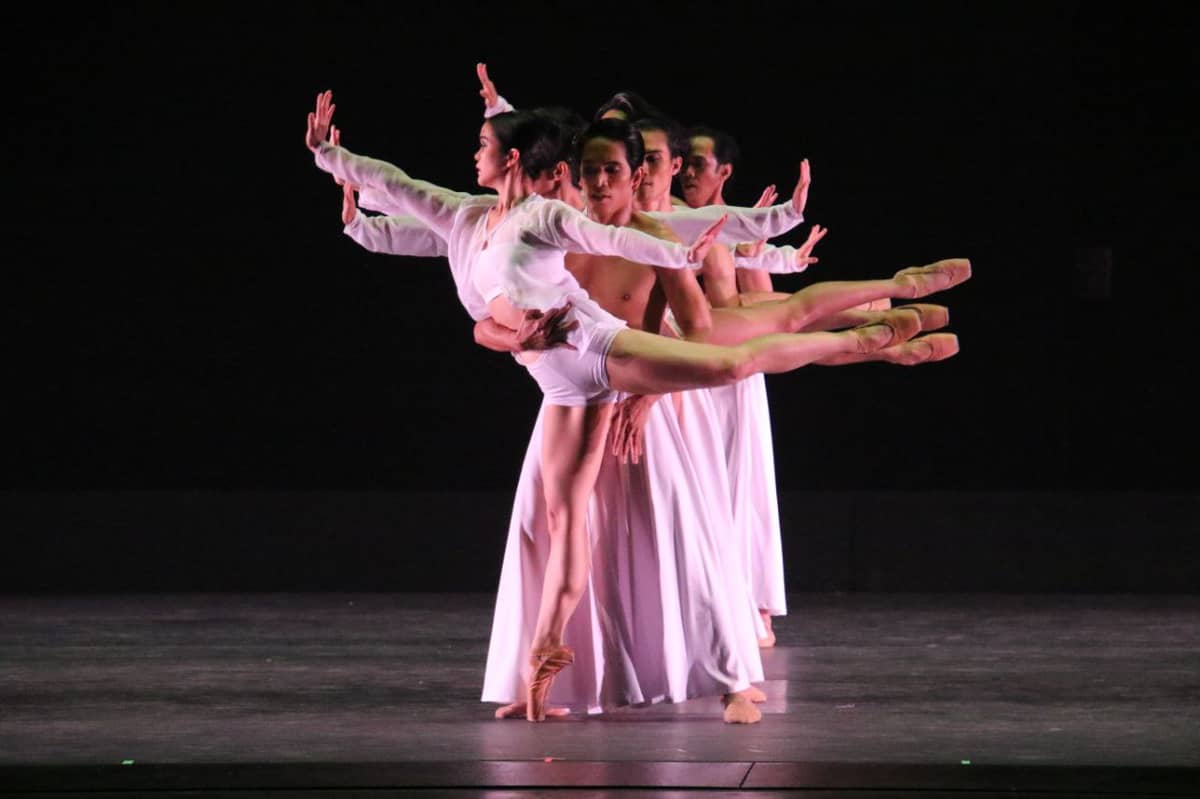
‘After Whom.’
Photograph COURTESY OF KURT COPON