




PBBM denies inclination for authoritarian rule; defends father's martial law declaration

Text size
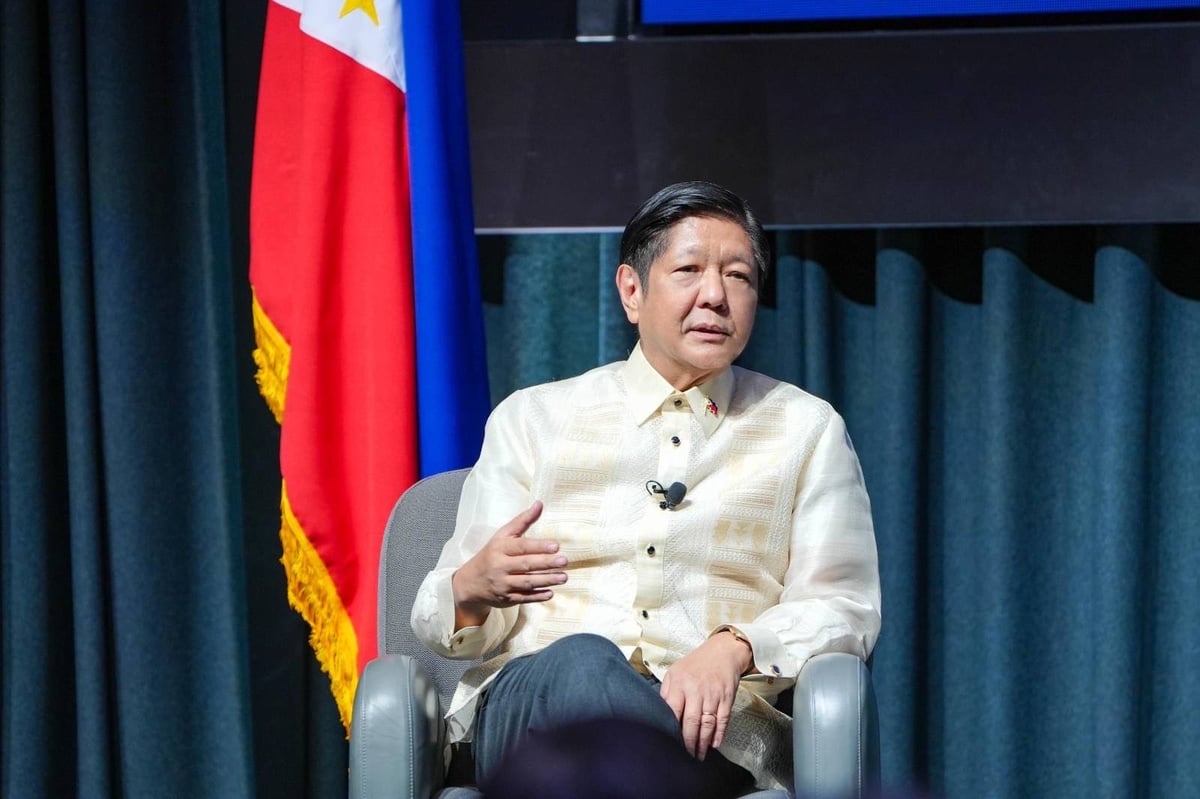
MELBOURNE — President Ferdinand Marcos Jr. said that he has never been inclined to implement an authoritarian regime in the Philippines, while simultaneously defending his late father's choice to impose martial law decades ago.
In an interview with ABC News aired earlier this week, Marcos said that his father, former President Ferdinand Marcos Sr., declared martial law due to the prevailing conditions of peace and order at that time.
Marcos Jr. said the declaration of martial law was something that could not be avoided in a “war.”
“These wars were declared on the government of the Philippines. Both of them, one was to divide the country and the other one was to remove the present political system by armed struggle,” he added, referring to the threats posed by separatists and communist rebels.
When asked how resisted the impulse to implement authoritarianism, Marcos said there is a "good system" going on in the country.
"I have no impulses to authoritarianism whatsoever. I think we've learnt to, we have a constitution that we have, that we have gone by for the last 36 years now,'' Marcos Jr. said.
''We are making, hoping to make some changes to (the Constitution.) But, no, I have not felt any tug or temptation to make it a more authoritarian system,'' Marcos Jr. added.
While some factions view the tenure of the older Marcos as a "golden era," highlighting the development of infrastructure and the perceived discipline among Filipinos during his administration, the prevailing opinion among most historians and human rights advocates differs significantly. They argue that the Marcos era was marred by widespread human rights abuses and corruption.
In 1972, President Marcos Sr. signed Proclamation No. 1081, imposing martial law in the Philippines, citing the presence of "lawless elements" who had taken up arms against the government.
According to Amnesty International, the period of military rule led to a surge in crimes under international law and violations of human rights, with tens of thousands of individuals subjected to arbitrary arrest and detention. Additionally, thousands more endured torture, forced disappearances, and extrajudicial killings.
Housing is probably the biggest issue affecting people the world over.
Malacañang on Monday called for a more thorough investigation into the questioned flood control projects in Taguig…
The defense on Monday backed the move by senator-judges to exclude a prosecution witness who testified on the firearms…
