 Daily Tribune
The irony of a truce lies in the inherent contradiction between their revolutionary rhetoric and a willingness to engage in peaceful negotiations.
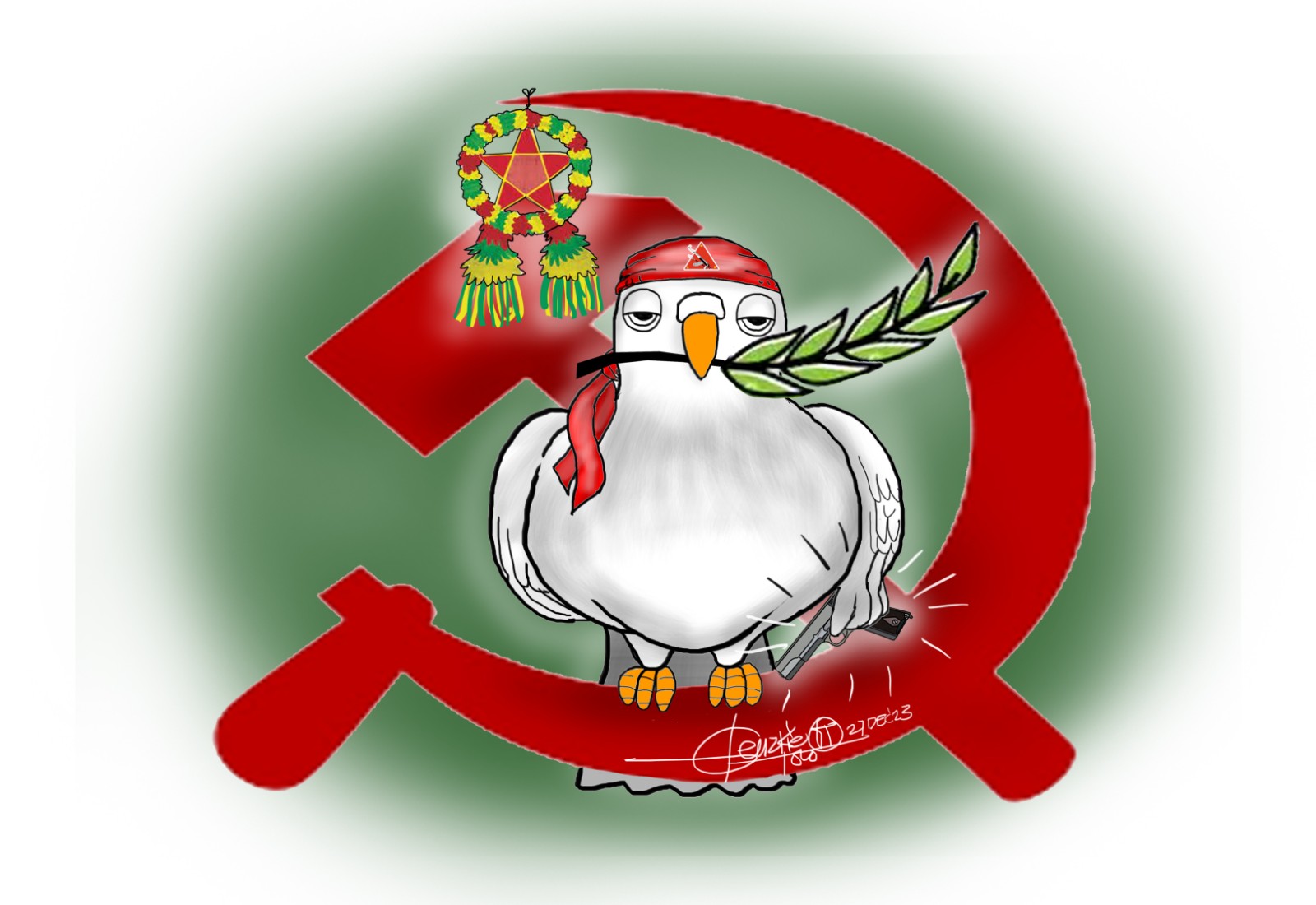
We witnessed a surprising turn of events as a holiday truce was initiated by communist rebels in a country that has been marred by conflict and strife for decades.
Communist Party of the Philippines spokesperson Marco Valbuena on 23 December confirmed a two-day suspension of its guerrilla forces' offensives against the AFP and the Philippine National Police nationwide.
This unexpected unilateral ceasefire from 12:01 a.m. on 25 December until 11:59 p.m. on 26 December — in time for the CPP's 55th founding anniversary — while offering a temporary brush of tranquility, raises thought-provoking questions about the paradoxical nature of such a gesture from a group historically associated with armed resistance and insurgency.
Col. Xerxes Trinidad, AFP Public Affairs Office chief, dismissed the CPP's ceasefire declaration as a hollow echo, emphasizing the unyielding commitment of the AFP to safeguard communities and eradicate the communist armed conflict in harmony with the fervent aspirations of the Filipino people.
Communist rebels, known for their opposition to established governments and their pursuit of radical social and economic change, have long been synonymous with armed struggle and defiance.
Their ideologies have frequently clashed with ruling authorities, leading to protracted conflicts characterized by violence, suffering, and the death of more than 43,000.
The announcement of a truce, sugar-coated with the intent of solidarity with Filipinos' traditional Christmas celebration, is a striking paradox, prompting deeper reflection on the complexities of conflict and the pursuit of peace.
The irony of a truce lies in the inherent contradiction between their revolutionary rhetoric and a willingness to engage in peaceful negotiations. It's no surprise Col. Trinidad described it as an empty statement.
It appears that the supposed ceasefire was merely a strategic interlude designed to allow the communists to commemorate the 55th anniversary of the CPP on 26 December. Their intentions seem to have been more about marking a milestone than genuinely seeking peace.
Residents reported the presence of heavily armed rebels in their remote communities in Malaybalay, Bukidnon. On Christmas Day, ahead of the CPP order for the New People's Army to resume their tactical offensives, the Army's 4th Infantry Division figured in an encounter with guerrilla groups belonging to the NPA's North Central Mindanao Regional Committee, leaving nine CPP-NPA combatants, including three amazons, dead and eight high-powered firearms seized.
For decades, communist groups have espoused revolutionary ideals and resorted to armed struggle to achieve their objectives, often justifying their actions to respond to perceived societal injustices and inequalities. The sudden shift towards peace talks challenges conventional perceptions and forces us to reevaluate the dynamics of conflict resolution and reconciliation.
At the same time, the truce raises legitimate concerns about the sincerity of the rebels' intentions and the prospects for a lasting peace. Skepticism is warranted, given the complex history of broken ceasefires and failed peace initiatives since 1986.
In the Philippine insurgency conflict, the longest-running in the world, the boundaries between hope and treachery blur. Recent ambushes have cast a grim shadow on the fragile prospects for peace.
Thousands stand witness to a narrative of trust and betrayal as a ceasefire initiated by communist rebels dissolved into a harrowing armed encounter.
As we grapple with the aftermath of shattered trust, let us harness the lessons of dealing with communists and continue our quest where genuine peace reigns triumphant over the shadows of deceit.


