 Daily Tribune
Government employees fulfill essential roles that are often undervalued and underappreciated.
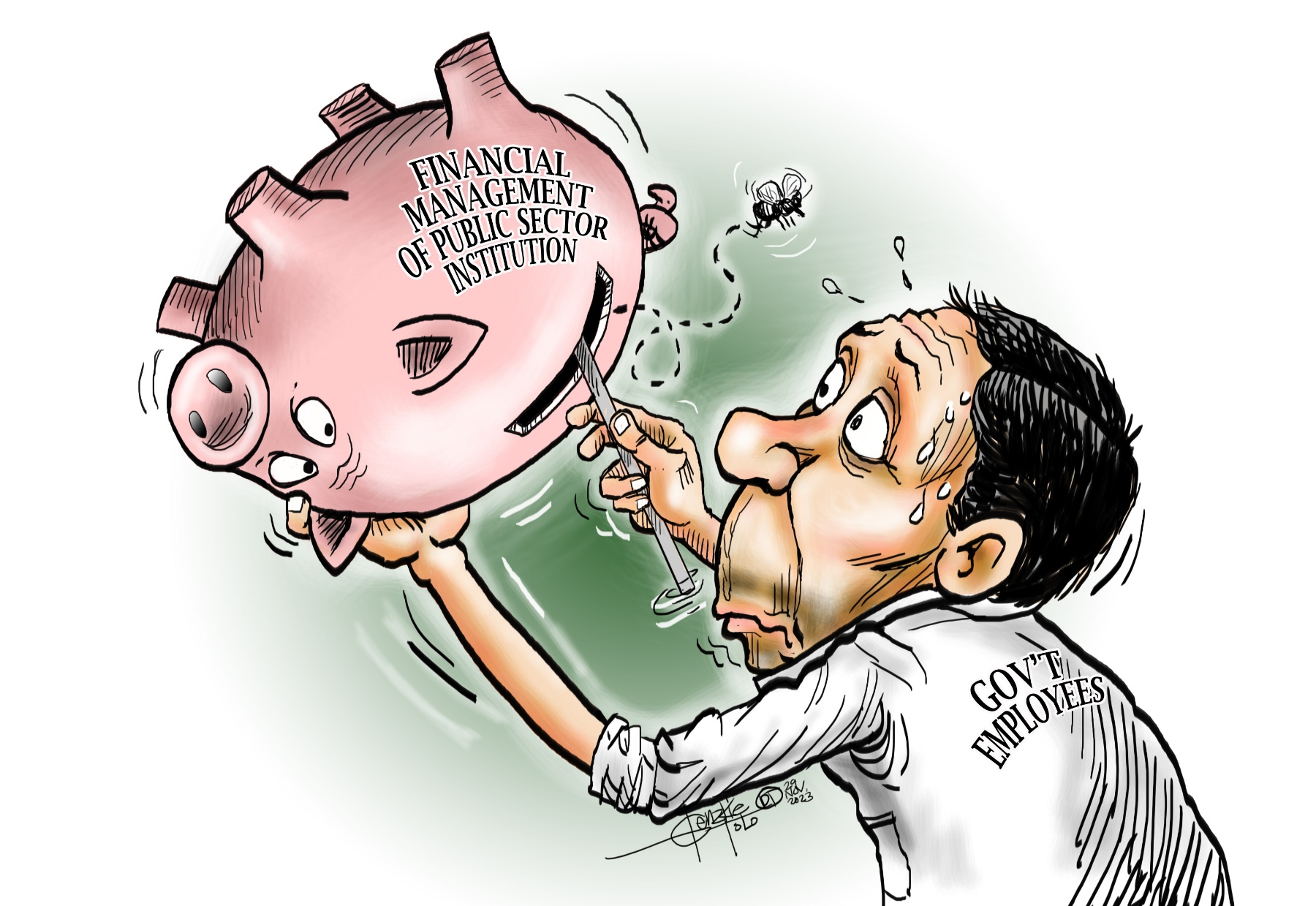
It's an all too familiar story: Hardworking government employees dedicated to serving their communities are left in financial limbo because of perceived bureaucratic ineptness.
On the 24th of November, a wave of sorrow swept through the halls of the Philippine Information Agency, casting a somber shadow over the hearts of its dedicated personnel. The Director-General issued a crushing advisory that their 16-30 November salaries would not grace their pockets. He attributed the heartrending shortfall to the absence of the much-awaited Special Allotment Release Order and Notice of Cash Allocation from the Department of Budget and Management, leaving the staff to weather a storm of financial uncertainty.
The letter stated that the request for a supplemental Personnel Services budget was forwarded to the DBM on 7 November, and several follow-ups had already been made.
The agency may have no control over the Budget department's internal processes and procedures, but it should know crucial fiscal management processes by heart, as follows: (1) The SARO and NCA are given quarterly by DBM — depending on the monthly cash allocation balance. In other words, it is based on the approved expenditure of the General Appropriations Act; (2) The DBM does not download the total year budget, but at the start of each quarter, based on monthly allocation expenses; (3) Turnaround time for supplemental SARO/NCA, to cover the appointment of additional officials and immediate support staff, is four weeks to three months, hence, a request should have been submitted much earlier.
The delay in the disbursement of wages to around 340 regular government employees and more than 130 job order workers at PIA due to financial mismanagement is not just an administrative blunder; it is a profound betrayal of trust and a glaring display of disregard for the well-being of those who keep the public services running.
Government employees fulfill essential roles that are often undervalued and underappreciated. There are the educators shaping the minds of our future generations, the healthcare workers tirelessly caring for the sick, the public safety officers ensuring our communities remain secure, and countless others like the developmental communicators at PIA who work diligently to uphold the functioning of our society.
Yet, despite their pivotal contributions, many of these public servants have found themselves grappling with the anxiety and hardship caused by delayed or uncertain paychecks. The root cause of this issue lies in the failure of responsible officials to manage the finances allocated for employee compensation effectively.
Effective fiscal management is essential for securing an agency's full-year budget. Daily monitoring by its head, officials, and finance division is crucial to identifying deficits early. With proper oversight, any shortfall can be addressed through timely requests to the DBM for supplemental SARO/NCA, potentially averting financial difficulties.
It is unacceptable that those who diligently fulfill their duties should suffer due to the incompetence of financial management. This failure not only disrupts the lives of individual employees and their families, but it also undermines the efficiency and morale of the entire public sector.
A recurring pattern of financial mismanagement reflects a broader lack of accountability within the governmental system. The individuals responsible for overseeing public finances must be held to the highest standards of accountability and competence. Without this, the cycle of negligence and its detrimental impact on employees will persist unabated.
The ramifications of delayed wages extend far beyond the financial realm, permeating into affected employees' emotional and psychological well-being. The stress and uncertainty created by such situations can lead to decreased productivity, diminished job satisfaction, and disillusionment among government workers.
The dedicated and hardworking women and men who form the backbone of our government services deserve better treatment and respect from the very system they work tirelessly to uphold. The government must honor its commitment to its employees and demonstrate the same dedication to their well-being as they show in their daily work.
The time has come for decisive action to ensure that the financial management of public sector institutions is characterized by competence and accountability and that such oversights are not repeated.
Anything less is simply unacceptable.


