 Daily Tribune
Covid has taught us that transparency and international cooperation in addressing global health threats are a must.
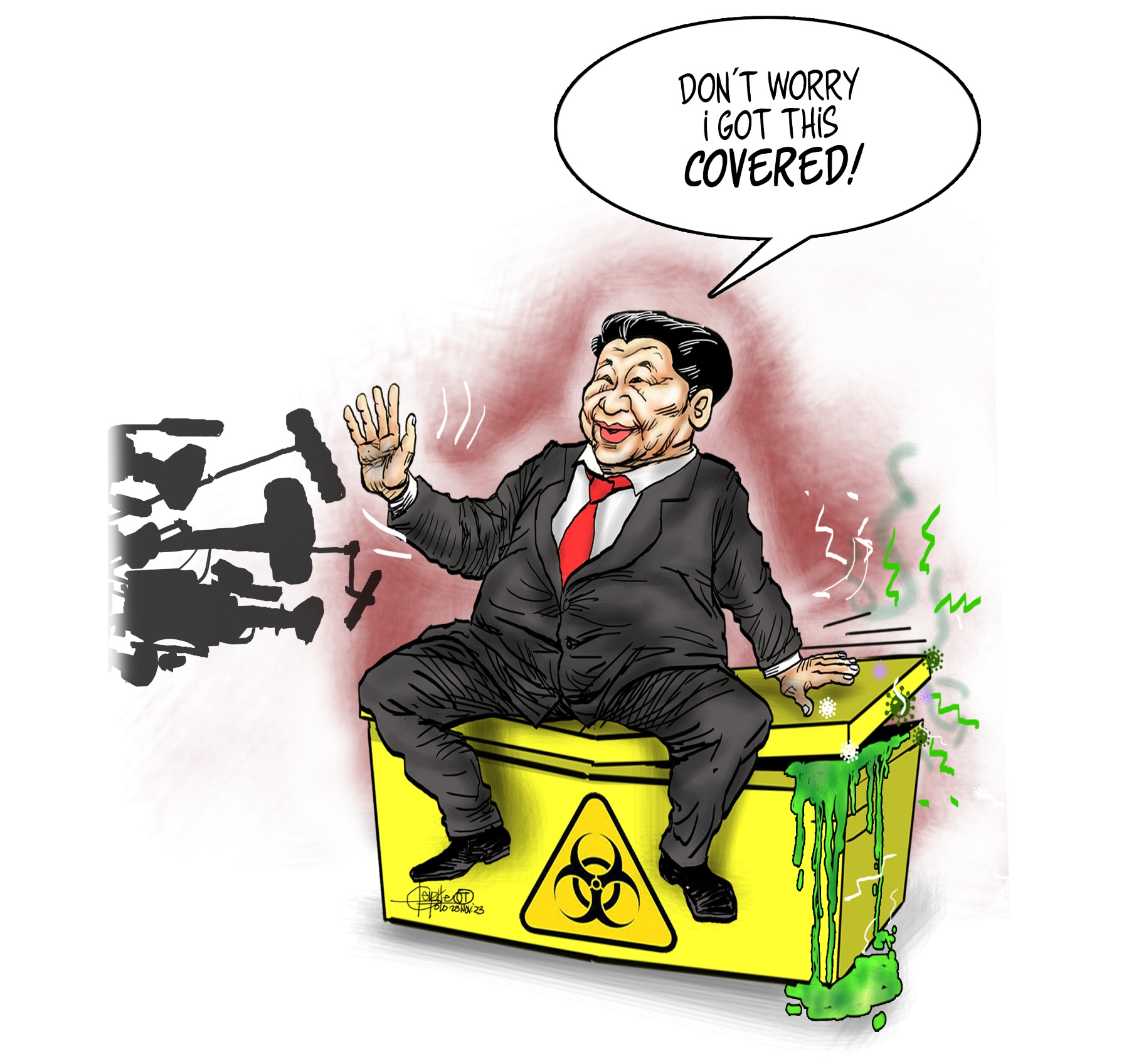
News of a rise in respiratory infections among children in China has sent shivers down the spines of healthcare professionals as the world cautiously emerges from the shadow of the Covid-19 pandemic.
While the exact causes remain under investigation, a combination of factors, including easing of restrictions, waning immunity, and the start of the winter season, could be playing a role in this new surge.
In the face of queries from the World Health Organization, Beijing suggests the surge is nothing more than a seasonal uptick in common viruses. Still, the echoes of China's mishandling of the initial Covid-19 outbreak do not inspire confidence in its pronouncements.
In fact, Covid, which to date has killed nearly 7 million people globally, according to reports reaching the WHO, casts a cynical shadow over these latest developments in the northern parts of China.
A troubling question lingers: Could China's past actions in suppressing information about the Covid outbreak be setting the stage for another global health crisis?
Lest we've already forgotten, China stonewalled for months, downplaying the severity of the virus. It also silenced whistleblowers, mostly doctors, thereby allowing the virus to spread unchecked beyond its borders.
Beijing's lack of transparency delayed global containment efforts and eroded trust in its ability to manage public health crises. With that opaqueness, the latest surge in respiratory illnesses in China is being viewed with a heightened sense of skepticism.
Undoubtedly, it is too early to determine whether the outbreak in China poses a serious global threat. Nonetheless, the parallels between the Covid outbreak and this new surge are undeniable.
The last thing we need at this point is another virus to take hold amid warnings of waning immunity and the easing of restrictions as local and global economies try to regain their footing.
If there's one lesson Covid has taught us, it's that transparency and international cooperation in addressing global health threats are a must. When information is manipulated or withheld, as China did in 2019 and early 2020, countries could not make informed decisions and coordinate effective responses.
To regain the world's trust, China must demonstrate a renewed commitment to transparency and openness. This includes sharing accurate and timely information about the current outbreak, collaborating with international health organizations, and allowing independent investigations into the origins and spread of the virus.
As the world continues to grapple with the lingering effects of the Covid pandemic, it must remain vigilant against new threats, particularly those emanating from countries like China with a history of suppressing information.
While we hope that the current surge in respiratory illnesses is indeed nothing more than a seasonal blip, our cynicism is warranted. The world is watching, and the stakes could not be higher.
On the homefront, local health experts are calling for vigilance while telling the public not to panic over the news coming from China, as well as the Department of Health report of 182,721 cases of influenza-like illnesses in the Philippines.
The DoH previously attributed the increase in influenza-like illnesses to the rainy season, and it anticipates cases to decline in the coming weeks before rising again by the beginning of January.
The rise in local influenza-like illnesses during the cold season, as well as the developments in China, should prompt Filipinos to be cautious without panicking, according to Dr. Rontgene Solante, president of the Philippine College of Physicians.
Solante advised the public to be vigilant but not to "panic and think that it might be another Covid or novel pathogen that we did not know."
He warned though: "But it is also important that while we are monitoring it, we need to take precautions because diseases travel faster now from one country to another because of the lifting of restrictions."
Indeed, there's no need to panic as the world, albeit at the cost of millions of people dead, should have learned how to more effectively respond to pandemics through mass vaccinations and social distancing as needed.
Nonetheless, the best news is no news about the emergence of a new novel pathogen. Not now when we're just exiting from the last pandemic.


