
- NEWS
- the EDIT
- COMMENTARY
- BUSINESS
- LIFE
- SHOW
- ACTION
- GLOBAL GOALS
- SNAPS
- DYARYO TIRADA
- MORE
Economists believe the Bangko Sentral ng Pilipinas might further raise its policy rate by 25 basis points to 6.75 percent next month if food supply issues and high global oil prices persist.
Dan Roces, chief economist of Security Bank, said the BSP might make this decision at its meeting on 16 November to help temper inflation faster.
"The higher policy interest rate is driven by mounting local inflation risks, attributed to supply chain disruptions and increasing global commodity prices, including the threat of crude price spikes brought about by tensions in the Middle East," he told the Daily Tribune in a Viber message.
Last Thursday, the central bank hiked its rate by 25 bps to 6.25 percent on an off-cycle period to arrest further inflation uptrend due to the aforementioned factors.
Risks might linger
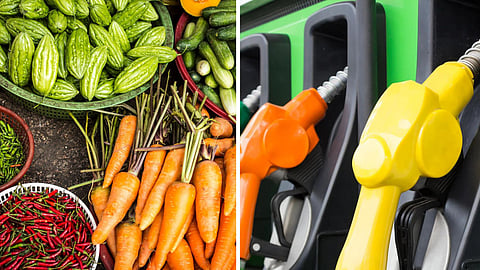
Jun Neri, chief economist of Bank of the Philippine Islands, said these inflationary risks might linger until the government finds solutions to increase supply of rice, the main driver of re-accelerated inflation at 6.1 percent last month.
While Neri said managing food supply is not the BSP's responsibility, he agreed with the central bank that rate hikes can help slow inflation by restraining consumer spending.
"The rate hike is a statement from the BSP that it is determined to bring inflation back to its target. Inflation expectations may shoot up further if the market doesn't see any action from the BSP," the economist said.
Exacerbated by Israel-Hamas war
"The risk of El Niño, as well as higher global crude oil prices recently among 11-month highs led to higher local fuel pump prices especially since July 2023. This could be exacerbated by the Israel-Hamas war that is still uncertain" Michael Ricafort, chief economist of Rizal Commercial Banking Corp., added.
