 Daily Tribune
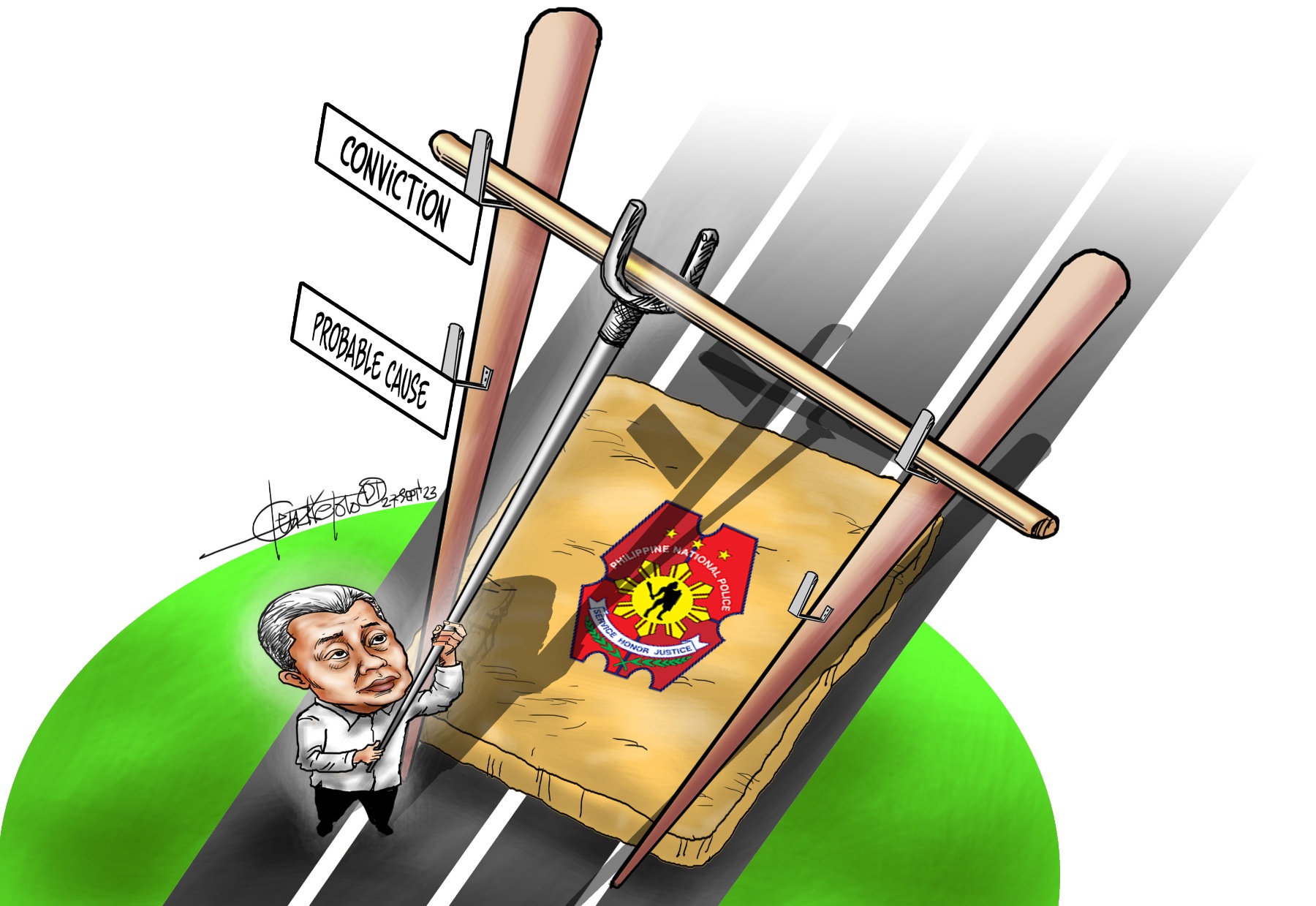
If only all prosecutors take to heart that the higher standard is a legal threshold that must be satisfied before a police officer can make an arrest, conduct a search, seize property, or obtain a warrant.
When the court system is overwhelmed by a backlog of cases, far beyond its capacity to handle, it creates a significant problem for the judicial process.
Imagine millions of case documents collecting mites and cobwebs on court shelves. As of 2017 alone, there was a significant backlog of approximately 1.2 million cases in the nation's courts. Back then, there were only 1,620 judges available to handle these cases, and each was faced with an average of 741 cases. New cases are being continuously added daily, further compounding the burden.
Decongesting the courts is a laudable move by the Department of Justice to ensure timely justice and the efficient use of resources.
Instituted by the new administration, numerous individuals unjustly imprisoned for non-bailable offenses or baseless accusations can heave a sigh of relief.
Through the reform, courts can make improvements by exercising prudence in dismissing frivolous cases and taking immediate action to release individuals who are unable to pay bail but have already served a more extended period than their potential sentence if found guilty.
An emphatic Justice Assistant Secretary and spokesperson, Atty. Mico Clavano, said government prosecutors have been directed to file criminal cases that are not only legally strong but also have a high probability of securing a conviction against the accused.
While DoJ intends to be more dynamic and exacting by pressing charges backed by a higher level of evidence, Clavano said Secretary Jesus Crispin Remulla wants prosecutors to go beyond merely establishing probable cause in filing a case.
It may be a challenging threshold set by the Justice Secretary. Still, the reasonable certainty of conviction, instead of mere probable cause, goes hand-in-hand with another DoJ reform. This case buildup rule requires prosecutors to work closely with law enforcers.
This only means that prosecutors will not merely receive complaints from investigators and assess whether they can be filed in court. They will have to go out of their comfort zone to do fieldwork. Just like in the movies.
The change is a giant leap. A case is not closed once the information or complaint against the suspect has been filed with the prosecutor. Instead, the police should ensure a conviction through proper case buildup.
What fieldwork awaits prosecutors? The DoJ is clear — to achieve a conviction, they should collaborate closely with investigators in the process of gathering evidence and selectively choose the evidence necessary to build a strong case — through various factors, including eyewitness accounts, physical evidence, and informants' inputs.
If only all prosecutors take to heart that the higher standard is a legal threshold that must be satisfied before a police officer can arrest, search, seize property, or obtain a warrant. It takes passionate discernment to reasonably believe that a crime has occurred or that there is evidence of a crime.
We are seeing a significant overhaul in judicial processes. Years back, ending bureaucratic and legalistic complications by removing unnecessary bottlenecks and promoting more efficient case resolution was only a dream.
It's never too late to witness the implementation of intelligent judicial reforms to address overwhelming caseloads — many of them should not have been court-docketed in the first place.


