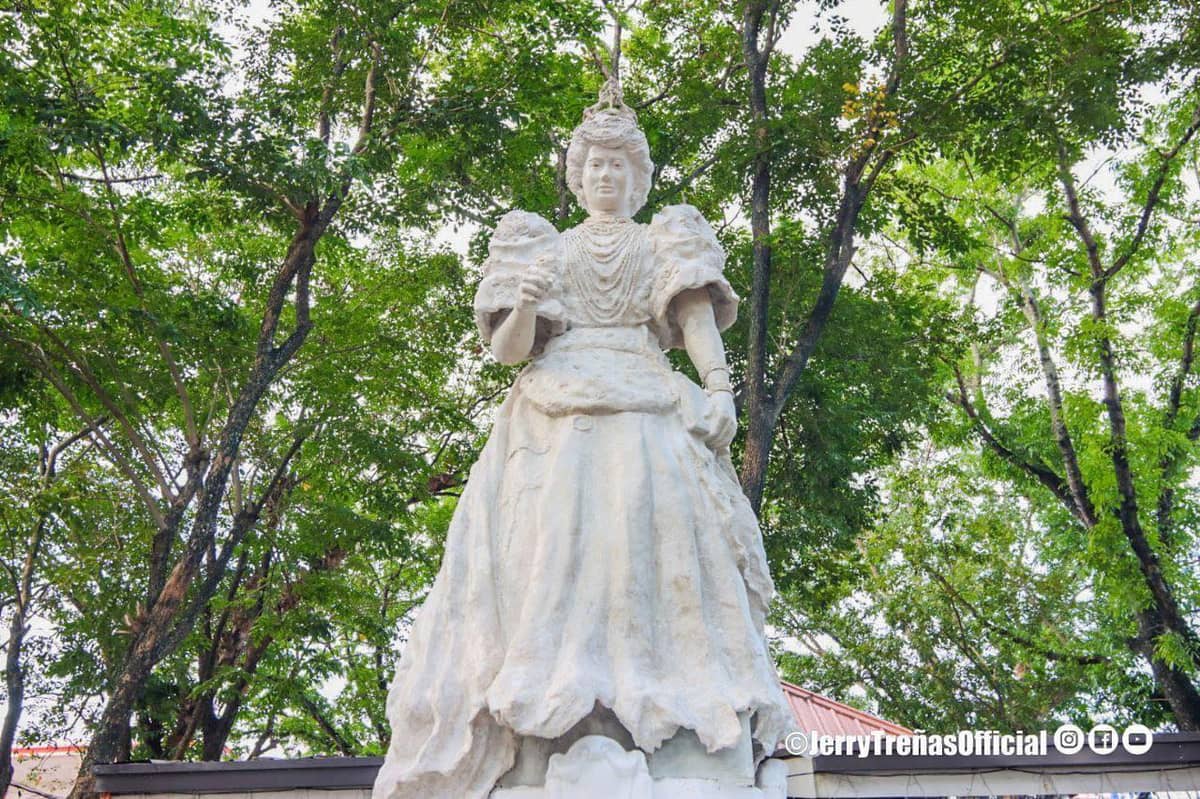
Just as fitting, therefore, is the fact that Lola Pura's statue is oriented to symbolically face you, the fellow citizens of her hometown, as gathered in this plaza. Such highlights not just your heritage, but also your promise as the economic center of this region, in providing the innovation and initiative best currently displayed in your own city's thriving economic triangle. During the First World War, my Lola Pura being a writer had to figure out another way to what we today term as "quickly creating content," in order to provide an additional income stream for her family. She settled on the recipes she collected from the fusion of culinary heritages between her and Lolo Doroy's clans. The reality then though was that such were not thought worthy of publication. Simply put, there was then no market for cookbooks so there were no cookbooks. Yet Lola Pura persisted, obtained the support of the Women's Club of Manila, and in 1918 brought forth our country's very first culinary reference, Condimentos Indigenas, which initiated what today is one of the biggest categories in published popular writing. In fact, that feisty Ilongga's book was so successful it was subsequently translated from its original Spanish to all major languages of Tagalog, Bicol, Ilocano, Pampango, Cebuano and Visayan including her native Ilonggo.